
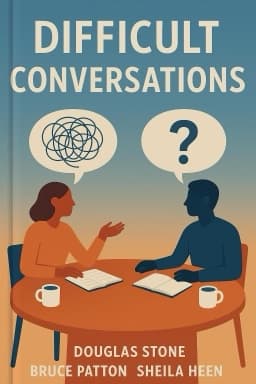
From Blame to Breakthrough: The Secret to Solving Problems Without Destroying Relationships
Why Letting Go of Blame Is the Key to Growth at Work and Home

Why Letting Go of Blame Is the Key to Growth at Work and Home
Blame is a reflex. Something goes wrong, and we want to know: Whose fault is it? But as the authors of Difficult Conversations reveal, blame is a dead end. It turns conversations into trials, triggers shame and defensiveness, and keeps us stuck in old patterns. The real path to breakthrough is through mapping contribution—understanding how each person, and the system itself, played a role in creating the problem. 2
Blame looks backward and judges; contribution looks forward and seeks understanding. When you ask “How did we both get here?” you uncover the real dynamics and open the door to solutions. This approach is especially powerful for leaders and families, where the stakes are high and relationships matter. One workplace story shows how a manager and assistant, at odds over a botched project, found breakthrough not by assigning fault but by mapping how their actions and assumptions interacted. 3
This shift is not about letting people off the hook—it’s about learning and improvement. When blame is replaced with curiosity, people feel safe to admit mistakes and suggest changes. Over time, this creates a culture of trust and growth, at home and at work. 4
Conclusion: The Power of Contribution
Letting go of blame isn’t easy, but it’s the secret to solving problems without destroying relationships. By mapping contribution, you create space for honesty, learning, and lasting change. The next time you’re tempted to blame, pause and ask: How did we both get here? The answers may surprise—and liberate—you.
Want to explore more insights from this book?
Read the full book summary