
The Hidden Power of Feelings: Why Emotions Are the Secret Ingredient in Every Tough Talk
How Naming and Acknowledging Feelings Can Transform Your Conversations
How Naming and Acknowledging Feelings Can Transform Your Conversations
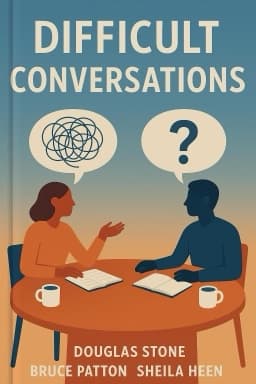
Think back to your last tough conversation. What was really driving the tension? Odds are, it wasn’t just facts or logic—it was feelings. Hurt, disappointment, anger, fear, hope. The authors of Difficult Conversations make a radical claim: Feelings aren’t a distraction—they’re the core issue. 2
Most of us were taught to keep emotions out of serious discussions. But research and real-world stories show that when feelings go unspoken, they leak out in destructive ways—sarcasm, withdrawal, passive-aggression. The result? The real issues remain hidden, and relationships suffer. The book teaches that expressing feelings honestly (without blame) brings relief and clarity, and that acknowledgment—simply letting someone know you see and value their feelings—can instantly lower tension and build trust. 3
So how do you do it? Start by checking in with yourself: What am I really feeling? Name it. Then share it with the other person, not as an accusation but as an honest statement: “I feel hurt,” or “I’m worried.” When you acknowledge the other person’s emotions, you answer their unspoken questions: Do my feelings matter? Am I understood? 1
In one story, family members who had been fighting for years finally broke through when they named the pain and longing beneath their arguments. The facts mattered, but what changed everything was the moment they honored each other’s feelings. 4
Conclusion: The Healing Power of Emotion
Emotions are not obstacles to be overcome—they are the music that gives meaning to the conversation. By learning to name, express, and acknowledge feelings, you transform conflict from a source of pain into a source of connection and healing. The next time you feel strong emotions rising, don’t push them away—invite them into the conversation, and watch what changes.
Want to explore more insights from this book?
Read the full book summary