
The Secret Science of Emojis: How a 😊 or 👍 Could Make or Break Your Next Deal
From Smiley Faces to Thumbs Up—Why Every Symbol Matters More Than Ever

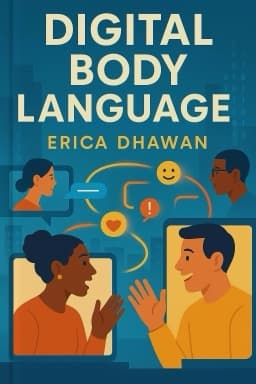
Think emojis are just for teenagers? Think again. In the age of remote work, emojis have become the new facial expressions—tiny symbols that carry the weight of tone, intent, and even power. Erica Dhawan’s Digital Body Language reveals that these micro-cues can make or break your next big deal.
Why do emojis matter? Because in digital conversations, we lose the subtlety of a smile, a nod, or a raised eyebrow. A simple 😊 can soften a request, while a thumbs-up might mean 'great' in the U.S.—but something rude in parts of the Middle East. Dhawan highlights real stories where global teams fell into conflict over misunderstood symbols, showing that what’s friendly to one person can be offensive to another.
It’s not just about culture. Age and company norms play a role, too. Millennials might see multiple exclamation points as enthusiasm, while Gen Xers may find them unprofessional. The key, Dhawan says, is to know your audience. When in doubt, err on the side of clarity and ask about preferences.
Emojis can also signal power dynamics. In one story, a manager who never used emojis seemed distant to her team, while a peer who sprinkled in the occasional smiley was seen as approachable and warm. But overuse can backfire, making you seem insincere.
So how do you get it right? Start by observing how your colleagues communicate. Match their tone, ask for feedback, and when working across cultures, research what certain symbols mean. Use emojis to add warmth, but never to replace clarity. When stakes are high, stick to words.
In today’s workplace, your emoji game isn’t just fun—it’s a strategic asset. Master it, and you’ll build bridges across screens and borders.
Sources: Erica Dhawan, Digital Body Language; Blinkist summary; Readingraphics summary.
2
4
Want to explore more insights from this book?
Read the full book summary