
From Sunlit Fields to Factory Floors: How Industrialization Hijacked Our Time
Uncover the surprising history of how industrialization reshaped work and stole our leisure.

Imagine a world where work was dictated by the sun, the seasons, and the completion of meaningful tasks. In medieval times, peasants worked fewer hours than most modern workers and enjoyed numerous holidays and festivals.
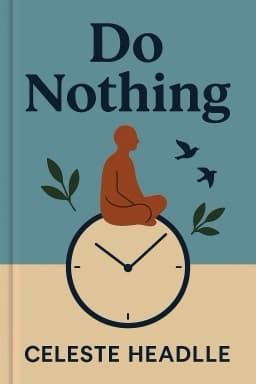
Then came the Industrial Revolution—a seismic shift that changed everything. The invention of the steam engine and the rise of factories introduced a new way of measuring work: the clock.
This transformation uprooted millions from rural farms to urban centers, stripping workers of autonomy and ownership of their tools. The clock became the master, and time was literally money. Labor movements fought not for new protections but to regain the shorter work hours their ancestors once enjoyed.
Historical records reveal that medieval peasants had a more balanced life than many of us today. The loss of leisure and the imposition of rigid schedules marked the beginning of a cultural shift that still influences us.
By tracing these roots, we can begin to question the assumptions underlying modern work and open possibilities for change. The tyranny of the clock need not define our lives.
As we reflect on this past, we see how deeply intertwined work and time have become—and how vital it is to reclaim our relationship with both. Next, we will explore how cultural and religious beliefs elevated work from necessity to moral virtue, further shaping our attitudes and behaviors.
Want to explore more insights from this book?
Read the full book summary