
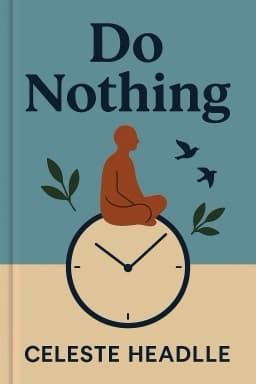
Why Being Busy is Making You Miserable: The Dark Truth Behind the Cult of Efficiency
Discover why constant busyness is a trap and how to reclaim your time for a happier, healthier life.

Have you ever felt overwhelmed by your endless to-do list, yet wondered if all that busyness is actually bringing you closer to your goals?
The roots of this cult stretch far beyond our current digital age. Long before smartphones and email, cultural forces pushed individuals to equate their worth with ceaseless activity. An essay from 1932 highlighted this obsession, showing that technology only amplified an already pervasive mindset.
Consider the analogy of learning to swim. Many spend hours reading about swimming techniques but never enter the water. Similarly, we fill our days with productivity tools and hacks, mistaking these preparations for actual achievement.
But why do we fall for this? The answer lies partly in how work has evolved historically. Before industrialization, work was task-based and seasonal, balanced by ample leisure. However, the Industrial Revolution introduced clock-based labor, turning time itself into a commodity. Suddenly, every minute was measured, priced, and monetized, creating pressure to fill every second with activity.
This commodification of time has profound psychological effects. When we think of time as money, even leisure becomes a source of stress. Studies show that people reminded of their hourly wage become impatient during enjoyable activities.
Furthermore, religious and cultural beliefs have long framed hard work as a moral imperative. The Protestant work ethic and myths of the self-made man glorify relentless labor as a sign of virtue and personal worth. While inspiring, these narratives can lead to guilt over rest and a failure to recognize systemic barriers to success.
In our modern era, work increasingly invades our homes, blurring boundaries and creating new challenges for rest and relationships. The myth of 'quality time' attempts to compensate for lost presence but often falls short of genuine connection. Open offices, intended to foster collaboration, sometimes reduce meaningful social interaction due to lack of privacy.
So, how do we reclaim our lives from this cult? It starts by challenging our perceptions of busyness and productivity. Tracking time honestly reveals how much is spent on low-impact tasks. Reducing digital distractions and investing in leisure and authentic social connections nurture well-being and creativity. Finally, adopting a long-term perspective helps us balance ambition with self-care and deliberate living.
Breaking free from the cult of efficiency is not just about working less but about living more—more intentionally, more joyfully, and more humanly. The path is challenging but deeply rewarding, offering a chance to rediscover what truly matters.
Want to explore more insights from this book?
Read the full book summary