
The MBTI Revolution: How 16 Personality Types Are Reshaping the Future of Work
Why Understanding Personality Types Is the Secret Weapon for Modern Teams

Why Understanding Personality Types Is the Secret Weapon for Modern Teams
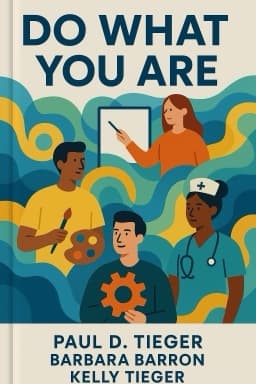
In today’s rapidly evolving workplace, success depends not just on technical skills, but on understanding people. The Myers-Briggs Type Indicator (MBTI), popularized for career planning in 'Do What You Are', has become a powerful tool for building more effective teams and workplaces. With 16 distinct personality types, MBTI offers a roadmap for appreciating differences, optimizing collaboration, and unleashing creativity in ways that traditional management never could.
Companies that embrace MBTI insights see immediate benefits. Managers learn to recognize the strengths each type brings—whether it’s the visionary intuition of an ENFP or the methodical organization of an ISTJ. Teams become more balanced, with members complementing each other rather than competing. Conflicts decrease as employees understand that differences are not obstacles, but assets.
The book provides practical examples: a tech company that reorganized teams based on MBTI preferences saw a surge in productivity and morale. A hospital reduced staff turnover by matching nurses’ roles to their personality types. These stories underscore a key point: when people work in roles that fit their type, everyone wins.
MBTI also helps foster diversity and inclusion. By valuing different perspectives, organizations tap into a broader range of ideas and solutions. This is especially crucial as remote work and global teams become the norm. Employees who feel understood and appreciated for their unique qualities are more engaged and loyal.
For individuals, understanding your type can guide you to roles where you’ll shine and help you advocate for the conditions you need to do your best work. For leaders, MBTI is a toolkit for managing, motivating, and mentoring diverse talent. As the future of work becomes more personalized, MBTI is not just a self-help fad—it’s a revolution in how we work together.
Want to explore more insights from this book?
Read the full book summary