
How Your Brain’s Hidden Money Tricks Are Costing You Thousands (And How to Fight Back)
Uncover the subconscious money traps that drain your wallet and learn science-backed hacks to regain control.

Have you ever wondered why you spend more when using a credit card than cash? Or why sales and discounts make you buy things you don’t need? These aren’t just quirks — they are rooted in powerful psychological biases that shape your financial behavior.
The pain of paying is another key factor. Paying with cash triggers a more intense emotional response than swiping a card because the pain is immediate and tangible. This explains why cash users often spend less and feel more in control.
Anchoring bias skews your perception of value. The first price you see sets a reference point, making discounts seem more attractive even if the sale price is the true market rate. Marketers use this to create illusions of savings that encourage impulse buying.
Loss aversion means losses hurt twice as much as gains feel good. This makes it hard to sell possessions or change financial habits because the fear of loss outweighs potential benefits. It also causes risk aversion that can limit investment growth.
Expectations shape your satisfaction. A product’s perceived value often depends on your anticipation and branding cues rather than objective quality. This can lead to overpaying for status or placebo effects.
To fight back, use behavioral tools: automate your savings to bypass self-control limits, use cash for discretionary budgets to increase payment awareness, question initial price anchors, and reframe losses as opportunities.
Recognizing these hidden forces empowers you to make smarter, more deliberate financial decisions that align with your goals and well-being.
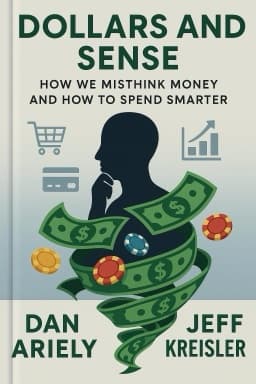
Sources: In-depth reviews and analysis from Amazon, Goodreads, and expert blogs on 'Dollars and Sense' by Dan Ariely & Jeff Kreisler 1 2 3
Want to explore more insights from this book?
Read the full book summary