
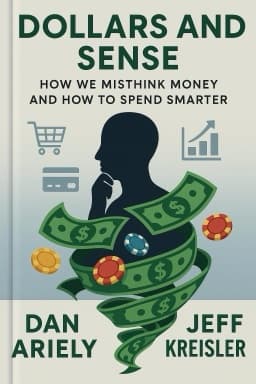
The Psychology of Spending: Why Your Money Habits Aren’t Your Fault (And What You Can Do About It)
Explore the science behind your money habits and discover practical ways to outsmart your brain for financial success.

Money decisions feel personal and rational, but beneath the surface lies a tangle of psychological quirks.
The pain of paying is a biological reality — spending activates brain areas related to physical pain, making you reluctant to part with cash. Credit cards and digital payments mask this pain, encouraging overspending.
Anchoring bias means your first exposure to a price or number colors all subsequent judgments, making sales and discounts feel more attractive than they truly are.
Loss aversion means you feel losses about twice as intensely as gains, making it emotionally difficult to sell possessions or change spending habits, even when it would benefit you.
Expectations shape your experience — believing a product is expensive or prestigious can enhance your enjoyment, regardless of actual quality.
To build better habits, automate savings, use cash for discretionary spending, and challenge your initial price anchors. Recognize that your brain’s wiring isn’t your enemy but a tool you can understand and harness.
By embracing these insights, you can transform your relationship with money and create a more secure, satisfying financial future.
Sources: Reader reviews and expert summaries from Amazon, Goodreads, and Medium on 'Dollars and Sense' 1 2 3
Want to explore more insights from this book?
Read the full book summary