
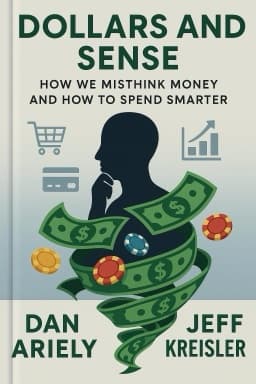
Unlocking the Secrets of Your Wallet: Why We Misthink Money and How to Spend Smarter
Discover the surprising ways your brain tricks you when it comes to money and how to outsmart yourself for financial freedom.

Money might seem like a simple tool — a means to buy goods and services — but it’s actually a complex symbol loaded with psychological meaning.
This separation can help with budgeting but also leads to irrational spending. For example, people often splurge with windfalls or bonuses while being frugal with their regular income. Marketers exploit this by offering gift cards and discounts that feel like “free money,” encouraging indulgence.
Another fascinating insight is the 'pain of paying.' Neuroimaging studies show that parting with money activates the same brain regions as physical pain. Paying with cash feels more painful and makes us spend less, while credit cards mask this pain through delayed payment, leading to higher spending.
Anchoring bias also plays a huge role. The first price we see sets a reference point that influences how we judge all subsequent prices. Even experts fall prey to this, showing how deeply rooted it is in human cognition. This explains why 'original prices' on sale tags can inflate perceived savings, even if the sale price is standard market value.
Loss aversion makes us cling to what we own and fear losses more than we enjoy gains. This explains why selling possessions or changing financial habits can be emotionally difficult, even when rationally beneficial.
Finally, the power of expectations shapes how we experience purchases. A wine believed to be expensive tastes better, and branded products command premium prices due to mental associations rather than objective quality.
Understanding these psychological quirks is the first step to spending smarter and saving better. By recognizing mental accounting, pain of paying, anchoring, loss aversion, and expectations, you can design strategies that align with how your brain works, not against it.
Practical tips include automating savings to overcome present bias, using cash for discretionary spending to heighten payment pain, and questioning initial anchors before making purchases.
Money isn’t just about math — it’s about mastering your mind. Embrace these insights and take control of your financial journey.
Sources: Amazon reviews and summaries of 'Dollars and Sense' by Dan Ariely & Jeff Kreisler, Medium book review by Kartik Narayanan, Goodreads reader insights 1 2 3
Want to explore more insights from this book?
Read the full book summary