
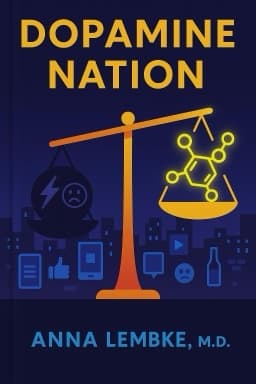
Are You Trapped in the Dopamine Nation? The Hidden Science Behind Your Cravings
Explore the unseen forces of dopamine that drive your desires and learn how to reclaim control in a world flooded with instant gratification.

In today's fast-paced world, we are surrounded by endless sources of pleasure—be it through social media, processed foods, shopping, or substances. But beneath the surface of these gratifying experiences lies a complex neurochemical dance driven by dopamine, a powerful neurotransmitter that fuels our motivation and craving.
Dopamine is often misunderstood as the chemical that simply makes us feel pleasure. In reality, it acts more as a motivational driver, signaling anticipation and desire rather than the enjoyment itself. When we experience something rewarding, dopamine pathways light up, pushing us to seek more. However, this system is designed to maintain a delicate balance between pleasure and pain.
Consider the staggering example of methamphetamine, which releases dopamine at levels comparable to ten orgasms in a single hit. This flood overwhelms the brain's reward circuits, leading to tolerance—where more of the drug is needed to achieve the same effect—and painful withdrawal symptoms. Such neuroadaptations explain why addiction is so persistent and challenging to overcome.
But addiction isn’t limited to drugs. Our modern environment bombards us with digital dopamine hits from smartphones, social media, and online gaming. These 'digital drugs' deliver unpredictable rewards that hijack our brain’s reinforcement systems, fostering compulsive use. Similarly, processed foods engineered with sugar, salt, and fat trigger dopamine surges contributing to overeating and obesity.
To navigate this dopamine-saturated world, we need practical tools. The DOPAMINE framework encourages honest data collection about usage patterns, clarifying objectives behind behaviors, recognizing problems, committing to abstinence periods, practicing mindfulness, gaining insight, planning next steps, and experimenting with strategies. This structured approach fosters self-awareness and empowers change.
Self-binding strategies further protect our fragile willpower by creating physical, chronological, or categorical barriers. From locking away tempting items to scheduling use times or avoiding triggers, these methods help maintain balance when motivation wanes.
Interestingly, embracing controlled discomfort—like cold-water immersion or exercise—can reset the brain’s dopamine balance and build resilience. This hormesis effect leverages mild stressors to strengthen physiological and psychological systems, producing rewarding aftereffects.
Radical honesty is another pillar of recovery. Addiction thrives on secrecy and denial, which increase shame and isolation. By courageously telling the truth about our struggles, we free mental energy, build authentic connections, and foster accountability.
Within supportive communities, prosocial shame motivates positive change without judgment. Groups like Alcoholics Anonymous exemplify how empathy and shared experience create safe spaces for healing and sustained recovery.
Ultimately, addiction is a chronic brain disorder requiring ongoing management, compassion, and a balanced approach. By understanding dopamine’s role and applying practical frameworks, we can thrive in the dopamine nation, cultivating meaningful lives beyond fleeting highs.
This journey is not easy, but with awareness, courage, and connection, freedom is within reach.
References:
Want to explore more insights from this book?
Read the full book summary