
Why You Can’t Just Willpower Your Way Out of Addiction: The Science of Dopamine and Self-Control
Discover why addiction isn’t about weak willpower and learn science-backed strategies to regain control over your impulses.

Have you ever tried to quit a habit only to find yourself slipping back, despite your best intentions? You’re not alone. Addiction is often misunderstood as a failure of willpower, but modern neuroscience paints a different picture.
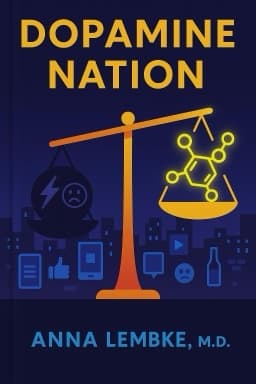
Dopamine is the brain’s motivational currency, driving us to seek rewards. But repeated overstimulation causes the brain to reduce dopamine receptor availability, leading to tolerance and withdrawal symptoms. This neuroadaptation means that even if you want to stop, your brain is wired to crave the substance or behavior just to feel normal.
Understanding this biological reality shifts the focus from blame to compassion. It also explains why willpower alone often fails. The brain’s reward system has been rewired, and without support, relapse is common.
This is where self-binding comes in—strategies that create physical or temporal barriers to limit access to addictive substances or behaviors. Locking away your phone during work hours, setting strict usage windows, or avoiding trigger environments are examples. These external supports bolster your limited willpower, making success more likely.
Mindfulness practices further enhance self-control by increasing awareness of cravings and reducing reactive behaviors. By observing urges without judgment, you can create space to choose healthier responses.
Radical honesty plays a crucial role, too. Addiction thrives in secrecy and denial, which increase shame and isolation. Telling the truth about your struggles frees mental energy and builds authentic support networks.
One person’s story illustrates this well: after years of hiding their substance use, openly sharing their experience with trusted friends helped break the cycle of shame and motivated sustained recovery.
In sum, addiction is a complex interplay of brain chemistry, behavior, and environment. Recognizing this helps us develop effective, compassionate strategies that go beyond willpower alone.
With knowledge and support, regaining control is not only possible but within reach.
References:
Want to explore more insights from this book?
Read the full book summary