
Why You Keep Dating the Wrong People: The Hidden Cycle of Relationship Repetition Syndrome
Unlocking the Mystery Behind Why We Repeat the Same Heartbreaks—And How to Finally Change

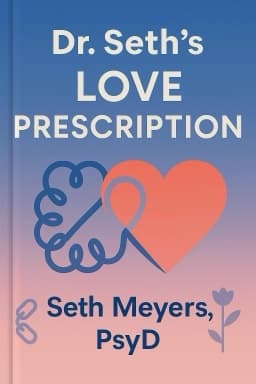
Have you ever found yourself scrolling through old messages, shaking your head at the uncanny similarities between your exes? You’re not alone. Millions are caught in the web of Relationship Repetition Syndrome (RRS), a term coined by Dr. Seth Meyers to describe the unconscious patterns that keep us locked in cycles of heartbreak and disappointment. But why do we repeat our mistakes, and what can we do to escape?
What is Relationship Repetition Syndrome?
RRS isn’t a clinical diagnosis—it’s a mirror, reflecting how our hearts are shaped by invisible scripts. Whether you’re always drawn to the emotionally unavailable, or you find yourself playing the caretaker, these roles are rarely random. According to Dr. Meyers, the four most common patterns are:
- Idealizing the External: Chasing looks, status, or charm over substance.
- Emotional Chasing: Pursuing those who are distant, always hoping for validation.
- Rescuing Wounded Souls: Believing love means fixing or saving someone else.
- Sacrificing Yourself: Putting your needs last, sometimes even normalizing mistreatment.
These patterns are often rooted in childhood experiences or early heartbreaks. For example, if you grew up feeling responsible for a parent’s emotions, you might be drawn to partners who need rescuing. If chaos was the norm, stability might feel strangely uncomfortable—even boring.
The Psychological Roots: Why We Stay Stuck
Breaking these patterns isn’t easy, because they’re driven by powerful psychological forces:
- Fear: Of intimacy, happiness, or being truly seen.
- Denial: Protecting ourselves from pain by ignoring red flags.
- Impulsivity: Jumping into relationships to escape loneliness or discomfort.
- Distorted Beliefs: Stories we tell ourselves, like ‘I’m unlovable’ or ‘love must be earned through suffering.’
Recognizing your pattern is the first step. Ask yourself: What are the common threads in my relationships? What needs or fears might be driving my choices?
How to Break the Cycle
Dr. Meyers outlines a three-step model for change: Insight, Behavior Change, and Identity Change. Start by reflecting on your patterns, then practice setting new boundaries and making different choices—even if it feels uncomfortable at first. Over time, as you act differently, your sense of self will shift. You’ll move from seeing yourself as a victim or fixer to someone who expects and accepts healthy love.
Real-Life Transformation
Many readers report that the book’s inventories and exercises helped them see their relationship history with fresh eyes. By mapping out past relationships and identifying emotional triggers, they were able to spot red flags sooner and make more empowered choices. For some, this meant leaving toxic dynamics behind; for others, it was about learning to appreciate stability and kindness in a partner.
Conclusion: You Are the Author of Your Future
Breaking free from Relationship Repetition Syndrome isn’t about finding a ‘perfect’ partner—it’s about becoming the healthiest, most self-aware version of yourself. When you change your script, you change your love life. As Dr. Meyers writes, ‘You are not doomed to repeat your past. You are the author of your future.’
So, are you ready to put down the old script and write a new love story?
Want to explore more insights from this book?
Read the full book summary