
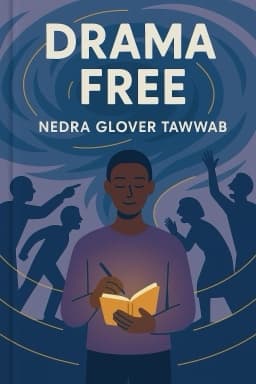
How Setting Boundaries Can Save Your Life (and Your Sanity!)
Why saying 'no' is your superpower—and how to use it, even with the most difficult family members.

Are you tired of feeling overwhelmed, resentful, or taken for granted by your family? You’re not alone. Setting boundaries is a vital skill for anyone seeking peace and emotional well-being, especially if you come from a family with blurred lines or high demands. Drawing on Nedra Glover Tawwab’s groundbreaking work, this blog unpacks the art of boundary-setting.
What Are Boundaries? Boundaries are the invisible lines that protect your time, energy, and emotional well-being. They clarify what’s okay and what’s not, both for you and the people in your life. As Tawwab explains, boundaries are not about shutting people out—they’re about creating space for respect and genuine connection.
Why Are Boundaries So Hard? Many of us were taught to put others first, to avoid conflict, or to keep family secrets. These beliefs make it difficult to assert ourselves, especially with parents, siblings, or partners. But without boundaries, relationships become strained, and resentment builds.
Common Myths About Boundaries:
- Setting boundaries is selfish.
- Boundaries mean you don’t care about others.
- Good families don’t need boundaries.
In truth, boundaries are a sign of self-respect and maturity. They allow you to show up authentically in your relationships.
How to Set Boundaries (Even If You’re Scared)
- Get Clear on Your Needs: What makes you feel safe, respected, and valued?
- Communicate Directly: Use simple, honest language. For example: 'I’m not available to discuss this topic.'
- Expect Pushback: Change is hard. Some family members may resist or try to guilt you. Stay firm and compassionate.
- Practice Self-Care: Reward yourself for honoring your boundaries, even in small ways.
Real-life example: A woman who always felt responsible for her brother’s problems finally told him, 'I can’t fix this for you.' The result? Less stress and a healthier relationship.
For more scripts and detailed advice, visit Verywell Mind’s interview with Nedra Glover Tawwab. Remember, boundaries aren’t just about keeping people out—they’re about letting the right people in.
3
Want to explore more insights from this book?
Read the full book summary