
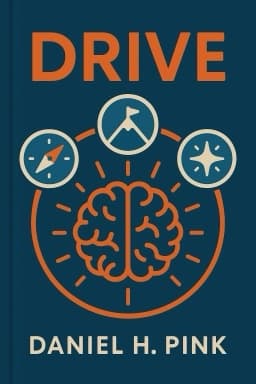
The Surprising Truth About What Really Drives Us: Lessons from Behavioral Economics and Psychology
Explore how fairness, social norms, and intrinsic values shape our motivation in unexpected ways.

For centuries, economists assumed humans were rational actors, always seeking to maximize their own benefit. But real-life behavior tells a different story. Behavioral economics uncovers the many ways our decisions are shaped by emotions, social expectations, and intrinsic motivations.
The ultimatum game is a simple yet revealing experiment. One player proposes how to split a sum of money; the other can accept or reject the offer. If rejected, both get nothing. Surprisingly, people often reject unfair offers, preferring no gain over an unequal split. This highlights a fundamental human drive for fairness, even at personal cost.
These findings challenge the myth of 'homo economicus' — the perfectly rational, self-interested individual. Instead, humans are predictably irrational, motivated by fairness, revenge, social belonging, and intrinsic values beyond money.
This understanding has profound implications for motivation. People are more engaged and cooperative when they feel treated fairly and connected to a shared purpose. Leaders who recognize these social and emotional drivers can build trust and foster environments where intrinsic motivation flourishes.
Whether in the workplace, schools, or communities, aligning systems with human nature rather than outdated economic assumptions leads to better outcomes and more fulfilled people.
Ultimately, motivation is a rich tapestry woven from autonomy, mastery, purpose, fairness, and social connection. Embracing this complexity unlocks the true potential of individuals and organizations alike.
Want to explore more insights from this book?
Read the full book summary