
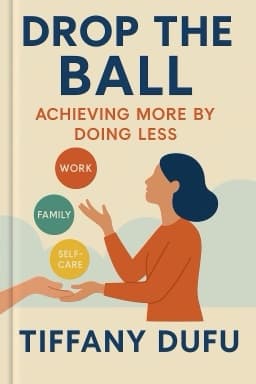
The Secret to Thriving: Why Letting Go of Control is Your Best Career Move
How releasing perfectionism and embracing partnership can boost your career and wellbeing.

Many women find themselves caught in a paradox: the more they try to control every aspect of their home and work lives, the more overwhelmed they become.
Women often control the majority of household spending and decision-making, which reinforces their desire to oversee domestic tasks. Yet this control can become a source of anxiety and exhaustion. For example, a woman who micromanages every household chore may find herself physically drained and emotionally isolated, unable to enjoy her successes or rest.
The key to breaking free is clear, explicit communication. Many women practice 'imaginary delegation' — mentally assigning tasks without asking — which leads to frustration when partners remain unaware.
Applying the law of comparative advantage, women can focus on tasks where they add the most value and delegate others to partners or helpers. This strategic approach increases efficiency and satisfaction.
Letting go of control is not about lowering standards but about prioritizing wellbeing and partnership. Women who embrace this shift report improved mental health, stronger relationships, and greater career fulfillment.
If you’re exhausted by trying to do it all perfectly, consider this: dropping the ball may be your greatest act of strength and self-care.
Want to explore more insights from this book?
Read the full book summary