
The Ultimate Guide to Ethical Leadership: Why Integrity Is Your Greatest Asset
Explore why personal integrity is the cornerstone of leadership and how it shapes lasting success in organizations.

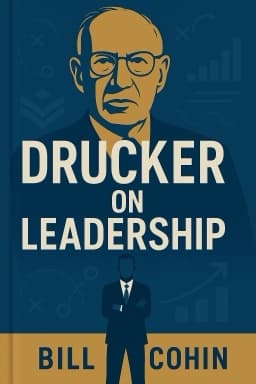
In the complex landscape of leadership, integrity stands as the unwavering pillar that supports trust and legitimacy. Peter Drucker’s teachings remind us that followers may forgive many faults, but never a lack of integrity. This principle is the heartbeat of ethical leadership.
Ethics transcends law. History reveals laws that were legal yet deeply unethical, such as those permitting discrimination or injustice. Leaders must therefore commit to moral standards that surpass mere compliance. This commitment builds trust, inspires loyalty, and fortifies organizations against crises.
Cultural insights, such as Confucian ethics emphasizing mutual obligations, enrich our understanding of leadership morality. These perspectives highlight the relational nature of ethics, where responsibility to others guides behavior.
Leadership also requires navigating ethical dilemmas with courage and prudence. Stories of leaders who sacrificed personal gain to uphold principles serve as powerful examples. Conversely, cautionary tales illustrate the corrosive effects of compromised integrity.
Practical steps to cultivate ethical leadership include self-reflection, fostering open dialogue, setting clear values, and modeling behavior consistently. Organizations must support these efforts through culture and policies that prioritize integrity.
Embrace integrity as your greatest asset and lead with honor. Your legacy will be defined not by power or position, but by the trust and respect you earn.
Want to explore more insights from this book?
Read the full book summary