
Beyond the Book: How Eat Pray Love Changed the Way We Travel and Heal
The Surprising Ripple Effects of One Woman’s Search for Meaning

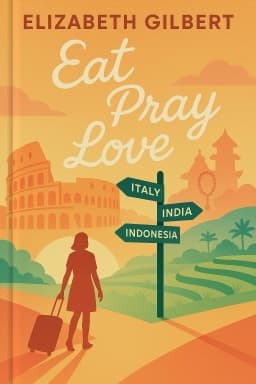
When Eat Pray Love hit the shelves, it was more than a bestseller—it was a phenomenon. Readers didn’t just identify with Elizabeth Gilbert’s story; they wanted to live it. Travel agencies reported a surge in bookings to Italy, India, and Bali. Ashrams and yoga retreats welcomed waves of seekers inspired by Gilbert’s spiritual quest.
The book’s influence went beyond tourism. It sparked a new wave of travel memoirs, blending personal healing with cross-cultural adventure. Suddenly, it was okay—even celebrated—for women to travel solo, to seek meaning outside traditional roles, and to prioritize self-care.
Wellness tourism boomed, with retreats promising not just relaxation, but transformation. Yoga, meditation, and mindful eating became mainstream, thanks in part to Gilbert’s willingness to share her struggles and breakthroughs.
Of course, the book’s popularity brought criticism too. Some questioned the privilege required to travel for a year, while others worried about the commercialization of spiritual practices. Yet, even these debates sparked important conversations about authenticity, accessibility, and the universal longing for connection.
Ultimately, Eat Pray Love changed the way we think about travel and healing. It reminded us that the world is full of teachers, that adventure can be a path to self-knowledge, and that it’s never too late to begin again.
Where will your journey take you?
Want to explore more insights from this book?
Read the full book summary