
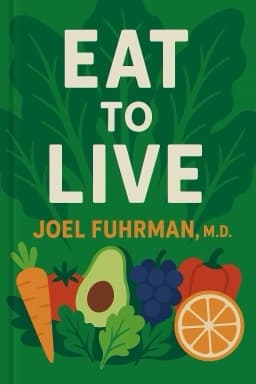
The Shocking Truth About Animal Protein and Cancer Risk: What 'Eat to Live' Reveals
Learn why too much animal protein may be harming you and how plant proteins offer a safer alternative.

Animal protein has long been hailed as a cornerstone of a healthy diet, but emerging evidence reveals a more complicated truth.
Central to this is insulin-like growth factor 1 (IGF-1), a hormone that promotes cell growth and division. Animal protein consumption elevates IGF-1 levels, which can accelerate aging and fuel tumor growth. In contrast, plant proteins do not raise IGF-1 and are associated with protective effects.
Cooking meats at high temperatures produces carcinogenic compounds such as heterocyclic amines, further increasing cancer risk. Additionally, the acid load from animal protein can cause calcium loss, weakening bones and increasing fracture risk despite high dairy intake.
Populations consuming predominantly plant-based diets exhibit significantly lower cancer rates and longer lifespans. Beans, lentils, nuts, and seeds provide complete proteins along with fiber and phytochemicals that support immune function and detoxification.
Transitioning away from animal protein can be challenging but offers profound health benefits. Incorporating a variety of plant proteins ensures adequate amino acid intake without the harmful effects associated with meat and dairy.
In conclusion, reducing animal protein in favor of plant-based sources is a powerful strategy to lower cancer risk, slow aging, and promote overall health and longevity. This shift aligns with nature’s blueprint for vibrant living.
Want to explore more insights from this book?
Read the full book summary