
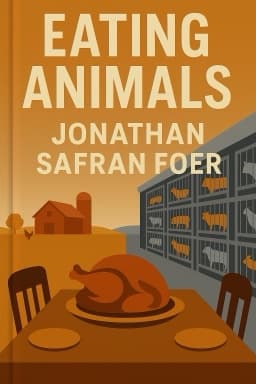
The Shocking Truth About Factory Farming You Never Knew
Inside the Industrial Meat Machine and Its Devastating Effects on Animals and Earth

Behind the supermarket shelves and restaurant menus lies a vast industrial complex known as factory farming—a system designed to produce meat at unprecedented scale and minimal cost. But this efficiency comes with hidden costs that ripple through animal welfare, the environment, and human health.
Imagine sheds stretching endlessly, packed with tens of thousands of chickens bred to grow four times faster than their ancestors, often collapsing under their own weight.
The environmental toll is staggering. Animal agriculture emits more greenhouse gases than all transportation combined, largely due to methane from cattle and nitrous oxide from manure. Vast deforestation occurs to grow feed crops, destroying biodiversity and polluting waterways.
Factory farms also pose serious public health threats. The close quarters and genetic uniformity of animals facilitate the emergence of diseases like bird flu and antibiotic-resistant bacteria, risks that extend beyond farm gates to global populations.
This industrial system operates with a mindset that externalizes these costs, focusing narrowly on profit margins while ignoring suffering and degradation. The secrecy surrounding factory farms shields the public from confronting these realities.
Understanding this hidden world is crucial to making informed choices about our food and advocating for change that respects animals, people, and the planet.
By shining a light on these truths, we can begin to challenge the dominant paradigm and envision alternatives that honor life and sustainability. 1 3
Want to explore more insights from this book?
Read the full book summary