
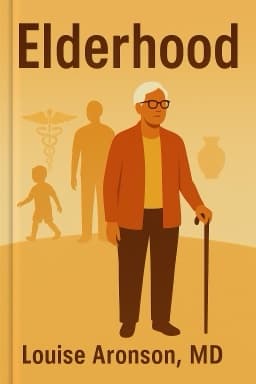
Facing the Final Chapter: How Embracing Death and Legacy Can Empower Elderhood
A profound reflection on how elders can find peace and purpose by embracing mortality and leaving a lasting impact.

Death is often viewed with fear and avoidance, yet it is a natural and essential part of the human journey. In elderhood, embracing mortality can transform the final stage of life into one of peace, dignity, and meaning.
Acceptance of death allows elders to focus on legacy—the intangible gifts of wisdom, stories, and values that transcend physical presence. These legacies shape future generations and preserve cultural memory.
Thoughtful end-of-life care, including hospice and palliative services, supports elders and families in navigating this transition with compassion and respect. Open conversations about wishes and fears foster psychological acceptance and reduce suffering.
By reframing death as the climax and resolution of life’s story, elders and society can find new ways to honor this stage. Legacy becomes not just inheritance but a continuation of influence and meaning.
This perspective is enriched by philosophical reflections, cultural rituals, and advances in compassionate healthcare, encouraging a holistic view of aging and dying.
Embracing this final act empowers elders to complete their life’s journey with grace and leaves a lasting impact on those who follow.
These ideas are supported by interdisciplinary research spanning gerontology, bioethics, and cultural studies. 1 3 4
Want to explore more insights from this book?
Read the full book summary