
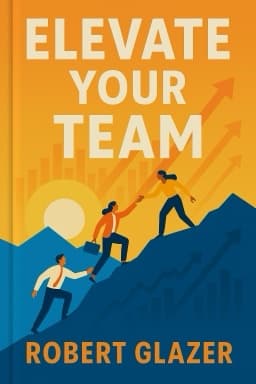
Unlocking Explosive Growth: The Secret Capacity Building Formula Every Leader Must Know
Discover how mastering capacity building transforms teams and propels companies to unprecedented success.

Imagine a company doubling its size every two and a half years. The excitement is palpable, yet beneath the surface lies a hidden challenge — not everyone on the team can keep pace with this rapid expansion.
Traditional performance reviews often fail to capture the dynamic nature of growth. Instead, capacity building focuses on the rate at which employees improve and adapt. Employees fall into four categories: Underperformers who lag behind, Capacity Builders who improve steadily but not fast enough, A-Players who grow at the required pace, and Unicorns who surpass expectations. Recognizing these categories helps leaders make smarter decisions about promotions, training, and transitions.
But capacity building is not just a metric; it’s a holistic approach encompassing spiritual, intellectual, physical, and emotional dimensions. Spiritual capacity anchors authentic leadership through self-awareness and core values, enabling leaders to inspire trust and alignment. Intellectual capacity fuels continuous learning and disciplined execution, fostering innovation and engagement. Physical capacity sustains energy and health, preventing burnout and enhancing productivity. Emotional capacity builds resilience and connection, creating psychologically safe environments where teams thrive.
Consider a leader who discovered their core value was self-awareness, shaped by childhood experiences. This insight transformed their leadership style, fostering a culture of trust and open communication. Or an employee who embraced disciplined habits like time blocking and feedback frameworks, accelerating their growth curve and contributing meaningfully to their team’s success.
Moreover, organizations that invest in wellness initiatives and clear work-life boundaries see reduced turnover and higher morale. Sleep deprivation, for instance, impairs cognitive function as much as intoxication, underscoring the need for rest and balance.
Emotional capacity, often overlooked, is the glue that holds teams together. Vulnerability and psychological safety enable honest dialogue and constructive conflict, essential for innovation and resilience. Teams that master these dynamics recover stronger from setbacks and maintain motivation.
Finally, integrating these capacities into talent management means hiring for growth potential, making tough but timely talent decisions, and offering diverse career paths. This meritocratic approach ensures the right people rise to the right roles, sustaining the company’s growth trajectory.
By embracing capacity building, leaders unlock a powerful formula for explosive growth — one that nurtures people, cultivates authentic leadership, and builds resilient organizations ready for the future.
Are you ready to transform your leadership and talent strategy? The journey begins with understanding and investing in capacity building.
Want to explore more insights from this book?
Read the full book summary