
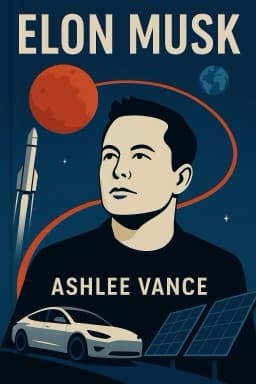
Inside Elon Musk’s Mind: 7 Surprising Secrets That Changed the World
Unlocking the Hidden Patterns Behind Musk’s Genius, Grit, and Controversy

Elon Musk’s journey from bullied South African boy to the world’s most influential entrepreneur is a story that defies convention, logic, and even belief. In Walter Isaacson’s deeply researched biography, readers are taken on a rollercoaster ride through the wildest corners of Musk’s mind—a place where pain becomes fuel, and impossible dreams become urgent missions.
One of the most striking aspects of Musk’s life is the way adversity has shaped his character. As a child, Musk endured brutal bullying and a turbulent family life, often retreating into books and computer screens for solace. This early isolation forged a resilience and independence that would later define his approach to business and innovation.
But Musk’s genius is not just the product of suffering—it is also a testament to relentless curiosity and a commitment to first principles. Whether building rockets or electric cars, Musk insists on questioning every assumption and breaking problems down to their fundamental truths. This scientific rigor allows him to see solutions where others see obstacles, as evidenced by his insistence on reusable rockets at SpaceX and vertical integration at Tesla.
Perhaps more controversial is Musk’s leadership style. He is known for his direct, sometimes abrasive communication and his willingness to work (and expect others to work) around the clock. Employees describe a culture of urgency and radical candor, where only the most resilient survive. Yet, this intensity has produced some of the most significant technological breakthroughs of our time—from the first private spacecraft to dock with the ISS to the mass production of electric vehicles.
Musk’s appetite for risk is legendary. He has repeatedly staked his fortune—and reputation—on ventures that seemed destined to fail. After multiple rocket explosions, SpaceX was days from bankruptcy before a successful launch changed everything. Similarly, Tesla faced financial ruin more than once, only to emerge as a global leader in clean energy. These stories are not just about luck, but about an unyielding belief in the mission and a willingness to endure pain for the sake of progress.
Yet, the book also reveals Musk’s human flaws: impulsiveness, emotional volatility, and a sometimes destructive obsession with speed. Friends and colleagues describe moments of brilliance punctuated by periods of chaos, as Musk pushes himself and those around him to the brink. This complexity makes him a figure of both inspiration and controversy, a real-life Tony Stark whose impact on technology and culture is profound—and still unfolding.
Ultimately, Musk’s legacy will be measured not just by the companies he has built, but by the way he has redefined what is possible. His story is a reminder that greatness is often born from struggle, and that the future belongs to those who dare to imagine it—and work relentlessly to make it real.
If you’re seeking a story of triumph, failure, and the relentless pursuit of a better tomorrow, this biography—and Musk’s life—offers lessons that are both sobering and electrifying.
Want to explore more insights from this book?
Read the full book summary