
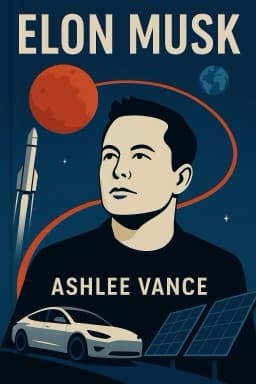
Why Elon Musk’s Leadership Style Will Change How You Think About Work Forever
The Unfiltered Truth Behind Tesla, SpaceX, and the Myth of the ‘Genius CEO’

Elon Musk’s approach to leadership is as controversial as it is effective, and nowhere is this more evident than in the stories that emerge from Tesla and SpaceX. Musk’s philosophy is simple: if the mission matters, nothing is off-limits—not even personal comfort or conventional management wisdom. He is known to sleep on the factory floor during production crunches, sharing in the discomfort and urgency of his employees.
This hands-on style fosters a culture of intensity and camaraderie, but it also comes at a price. Employees describe an environment where radical candor is the norm—where feedback is blunt and performance expectations are sky-high. The result is a workplace where only the most resilient thrive, and where innovation happens at breakneck speed. Yet, this same intensity has led to high turnover and public scrutiny, as former staff recount sleepless nights and emotional exhaustion.
Musk’s disdain for hierarchy and bureaucracy means decisions are made quickly, often in late-night meetings or terse email threads. He expects his teams to move fast and break things, to question every assumption, and to treat every problem as an existential threat. This relentless pace has led to some of the most dramatic breakthroughs in modern technology, but it has also raised ethical questions about the cost of progress.
Despite the chaos, many employees speak of a sense of purpose and belonging that is hard to find elsewhere. Working for Musk means being part of something bigger—a mission to change the world, whether by colonizing Mars or electrifying transportation. The bonds formed in such high-pressure environments are deep and lasting, and the lessons learned extend far beyond the workplace.
As more companies look to Musk’s model for inspiration, the debate continues: is this the future of work, or a cautionary tale about the limits of human endurance? The answer may lie somewhere in between, in the balance between vision and empathy, drive and sustainability.
One thing is certain: Elon Musk’s leadership style has changed the conversation about what it means to lead, to innovate, and to dream big in the modern world.
Want to explore more insights from this book?
Read the full book summary