
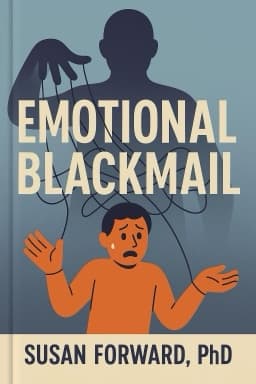
7 Secret Signs You’re Caught in Emotional Blackmail (And How to Break Free!)
Recognize the Hidden Red Flags Before They Control Your Life

Have you ever found yourself agreeing to something you didn’t want to do, just to keep the peace or avoid someone’s anger? Emotional blackmail is a subtle, often invisible force that can take over relationships, leaving you feeling powerless and confused. Unlike obvious forms of abuse, emotional blackmail hides behind concern, love, or duty, making it all the more insidious. In this comprehensive guide, we’ll reveal the seven secret signs you’re caught in emotional blackmail and provide expert-backed strategies to help you break free.
1. The Cycle of FOG: Fear, Obligation, and Guilt
At the heart of emotional blackmail lies the FOG—Fear, Obligation, and Guilt. Manipulators use these emotions to cloud your judgment, making it hard to recognize what’s happening. You might fear losing someone’s love, feel obligated to meet their needs, or be wracked with guilt for asserting your own. The FOG is so effective because it taps into deep-seated insecurities and past conditioning.
2. Guilt-Tripping and Playing the Victim
One of the most common tactics is guilt-tripping. The manipulator may act hurt, sigh dramatically, or remind you of everything they’ve done for you. You’re left feeling responsible for their happiness, even when it’s not your job. This dynamic is especially potent in families, where cultural or generational expectations reinforce the sense of obligation.
1
3. Conditional Affection and Love Withdrawal
Does someone in your life only show warmth or affection when you comply with their wishes? Conditional love is a hallmark of emotional blackmail. The threat of withdrawal—silent treatment, coldness, or distance—keeps you on edge, always striving to please.
2
4. Silent Threats and Emotional Punishment
Not all blackmailers shout or make overt threats. Sometimes, the message is delivered through silence, icy stares, or a sudden change in demeanor. You may not even realize you’re being punished, but the discomfort is enough to make you comply.
5. Self-Punishment Threats
Some manipulators threaten to harm themselves if you don’t give in. This tactic is especially effective on compassionate people, who feel responsible for the other’s well-being. It’s a cruel reversal of empathy, turning your caring nature against you.
6. Shifting Blame and Reality Twisting
Blackmailers are skilled at making you doubt yourself. They rewrite history, deny previous agreements, or insist you’re the one at fault. Over time, you may begin to question your own memory and judgment, leading to chronic self-doubt.
7. Escalating Demands
Giving in once rarely ends the cycle. In fact, compliance teaches the manipulator that their tactics work, leading to more frequent and intense demands. The cycle continues until you learn to set boundaries and say no.
How to Break Free
Recognizing emotional blackmail is the first step. Next, learn to set clear boundaries, communicate assertively, and seek support from trusted friends, therapists, or support groups. Remember, discomfort is part of growth—each time you stand firm, you reclaim a piece of your autonomy. Healing is ongoing, but every step forward brings greater freedom and peace.
3
4
Want to explore more insights from this book?
Read the full book summary