
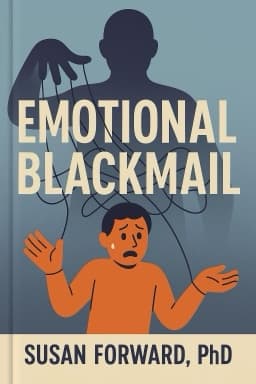
Is It Love or Control? The Hidden Power of Emotional Blackmail in Families
How Emotional Blackmail Shapes Generations—And How to Stop the Cycle

Home should be a place of safety, but for many, it’s where emotional blackmail begins. Parents, grandparents, and siblings—sometimes with the best intentions—use guilt, obligation, and fear to mold behavior and maintain control. This manipulation is often invisible, wrapped in the language of love and duty. Children grow up believing their worth is tied to compliance, and these patterns persist into adulthood.
In many cultures, emotional blackmail is normalized. ‘A good daughter always visits her mother.’ ‘Real men never disappoint their fathers.’ These scripts are reinforced by tradition and religion, making it difficult to question or resist. The result? Adults who struggle to set boundaries, wracked with guilt for pursuing their own needs. 4
Parental manipulation can take many forms: guilt-tripping, silent treatment, threats of disinheritance, or conditional affection. Children learn to anticipate their parents’ moods, sacrificing their own happiness to keep the peace. Over time, this erodes self-esteem and breeds resentment.
But the cycle can be broken. Awareness is key—recognizing manipulation for what it is, not mistaking it for love. Setting boundaries is not an act of rebellion, but of self-respect. It’s possible to honor your family while honoring yourself, too. Therapy, open conversations, and support from allies can help you reclaim your autonomy and build healthier, more authentic relationships. 1 2
Want to explore more insights from this book?
Read the full book summary