
The Science of Rejection and Loneliness: Why They Hurt So Much and How to Heal
Uncover the neuroscience behind social pain and effective ways to soothe it.

Have you ever felt the sharp sting of rejection or the hollow ache of loneliness? These feelings are more than just unpleasant emotions—they are deeply rooted in our biology and have profound effects on our health.
Rejection: The Brain’s Physical Pain Alarm
Neuroscientific research shows that social rejection activates the same brain regions involved in processing physical pain. This means that when someone excludes or criticizes us, our brain interprets it as a physical threat. This evolutionary mechanism helped our ancestors survive by keeping them close to their social group.
Interestingly, studies have found that acetaminophen, a common painkiller, can reduce the emotional pain of rejection, highlighting the biological overlap between physical and emotional suffering.
Loneliness: A Silent Epidemic
Loneliness is not just a feeling; it is a serious health risk. Chronic loneliness increases blood pressure, weakens the immune system, and raises the risk of cardiovascular disease. It can even shorten lifespan, comparable to smoking two packs of cigarettes a day.
Moreover, loneliness is contagious within social networks. Being surrounded by lonely individuals increases one’s own risk of becoming lonely, creating a ripple effect that can affect entire communities.
Healing Strategies
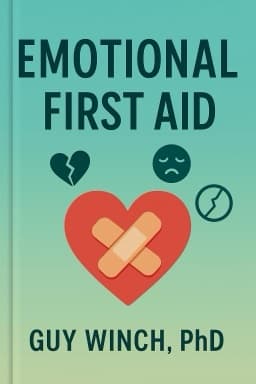
To heal from rejection and loneliness, emotional first aid offers several approaches:
- Counter negative self-talk by challenging self-critical thoughts.
- Revive self-worth through affirmations and recalling personal strengths.
- Replenish social connections by reaching out to supportive friends or joining groups.
- Practice empathy to improve social interactions and reduce misunderstandings.
For example, someone feeling lonely might join a local hobby club, gradually rebuilding a sense of belonging and reducing isolation.
Understanding the biological and social roots of rejection and loneliness empowers us to take effective steps toward healing. With consistent emotional first aid, these wounds can be soothed, leading to greater resilience and well-being.
References: 1 , 2 , 4
Want to explore more insights from this book?
Read the full book summary