
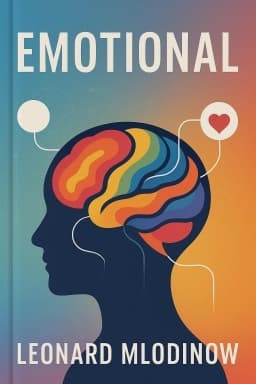
The Surprising Science of Emotional Intelligence: More Than Just a Buzzword
Why mastering your emotions is the real key to success, happiness, and meaningful relationships.

We’ve all heard the term 'emotional intelligence,' but what does it really mean—and why has it become the gold standard for personal and professional success? At its core, emotional intelligence (EI) is the ability to notice, understand, and manage your own feelings, as well as empathize with others. But thanks to the work of scientists like Leonard Mlodinow, we now know that EI is not just a soft skill—it’s a set of abilities rooted in the architecture of the brain.
Research shows that people with high EI are better at navigating conflict, building trust, and leading teams. They are also more resilient in the face of setbacks, because they can regulate their emotions and recover more quickly from stress. Mindfulness, for example, is proven to increase gray matter in brain regions linked to self-awareness and calm. Cognitive reframing lets us turn obstacles into opportunities, reducing the sting of negative emotions and opening the door to creative solutions.
But EI isn’t just about managing your own feelings. It’s about connecting with others. Social support, whether from friends, family, or colleagues, is one of the strongest predictors of emotional health. In fact, people who feel connected bounce back faster from adversity and are less likely to suffer from depression.
So how can you boost your emotional intelligence? Start by noticing your emotional patterns. Practice mindfulness and acceptance, and don’t be afraid to seek support when you need it. Remember, every emotion is a guide—sometimes pointing to danger, sometimes to joy, always to growth.
The future belongs to those who can feel deeply, think clearly, and act wisely. Emotional intelligence is not just a buzzword—it’s the foundation of a fulfilling life.
Want to explore more insights from this book?
Read the full book summary