
Master Your Emotions: The Surprising Science of Emotional Triggers and How to Cool Them Down
Why Your Feelings Sometimes Take Over and How You Can Take Back Control

Have you ever stood on the edge of a metaphorical cliff, knowing intellectually that you are safe, yet your heart pounds and your breath quickens? This common disconnect between knowledge and feeling highlights the stubborn nature of emotional triggers embedded deep within our nervous system.
Emotional triggers form permanent neural pathways, hardwired through evolution and personal experience. Even when we consciously know a situation is safe, these pathways can ignite powerful emotional reactions. Once an emotion begins, a refractory period ensues during which contradictory information is filtered out, prolonging the emotional response and making immediate change difficult.
However, all hope is not lost. Through deliberate strategies such as keeping an emotion diary, practicing cognitive reappraisal (rethinking the meaning of a trigger), and mindfulness meditation, we can weaken these triggers over time. These practices foster new neural connections that help regulate emotional responses more effectively.
Understanding the evolutionary basis of emotions also helps us appreciate why some triggers—like fear of physical harm or social rejection—are particularly resistant to change. Early-life experiences and individual affective styles add further complexity to emotional regulation.
By cultivating awareness and patience, we can learn to cool the flames of intense emotions, improving our mental health and relationships. This journey requires commitment but offers profound rewards in emotional mastery and resilience.
References:
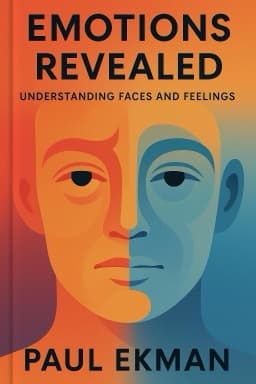
1. Emotions Revealed by Paul Ekman
2. Neuroscience studies on emotional regulation
3. ThorProjects emotional awareness review
4. Amazon insights on emotional control
Want to explore more insights from this book?
Read the full book summary