
Why You Can't Hide Your Feelings: The Science Behind Microexpressions and Emotional Truths
The Hidden Facial Cues That Reveal What People Really Feel

Have you ever noticed a brief flicker of sadness in someone’s eyes just before they smile, or a split-second tightening of lips that hints at anger beneath calm words? These are microexpressions—tiny, involuntary facial movements that reveal the emotions people try to conceal.
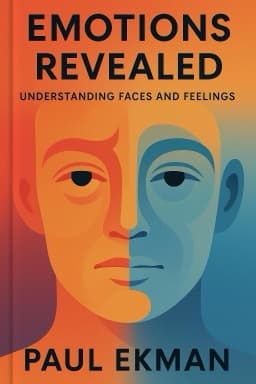
Paul Ekman’s pioneering work uncovered that microexpressions last mere fractions of a second but carry profound meaning. Because they are involuntary and rooted in our brain’s emotional centers, they are difficult to fake or suppress completely. This emotional leakage can reveal truths in situations ranging from casual conversations to high-stakes negotiations.
Why do these microexpressions occur? When emotions surge rapidly—often triggered unconsciously by automatic appraisal systems—the brain sends signals to facial muscles before the conscious mind can intervene. This split-second mismatch allows true feelings to slip through, even when someone tries to hide them.
Recognizing microexpressions is a powerful skill. It can enhance empathy by allowing you to sense unspoken feelings, improve deception detection, and deepen social connections. For example, in a workplace meeting, noticing a colleague’s fleeting expression of doubt can prompt a more supportive response, strengthening trust.
However, interpreting microexpressions requires context and practice. Not every fleeting facial movement means deception or negative emotion; understanding the situation and the individual’s baseline behavior is crucial.
Moreover, our voices often betray emotions even when faces are controlled. Changes in pitch, tone, and rhythm can reveal underlying feelings, making vocal cues another important channel of emotional communication.
Ultimately, the science of microexpressions reminds us that emotions are deeply embedded in our biology. Trying to hide them completely is like trying to hold back a river. Instead, learning to read these emotional signals with compassion can enrich our relationships and foster genuine understanding.
References:
1. Emotions Revealed by Paul Ekman
2. Amazon reviews and neuroscience articles
3. ThorProjects emotional awareness insights
4. Goodreads emotional communication discussions
Want to explore more insights from this book?
Read the full book summary