
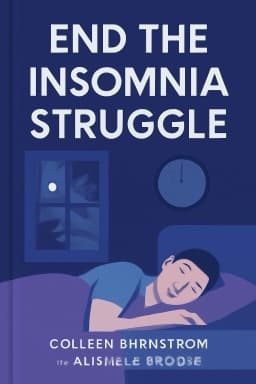
The Hidden Science of Sleep: Why Your Habits Are Keeping You Awake
Uncover the surprising biological and behavioral reasons behind insomnia and how to fix them.

Sleep is a vital biological process, yet millions struggle to get enough. Understanding the science behind sleep reveals why insomnia happens and how your habits may be sabotaging your rest.
The Two-Process Model
Sleep is regulated by two independent but interacting processes: the sleep drive, which builds during wakefulness, and the circadian rhythm, your internal body clock that tells you when to feel sleepy or alert. When these processes are misaligned, sleep becomes difficult.
The 3P Model of Insomnia
This model explains insomnia development through three factors: predisposing traits (like being a night owl), precipitating events (stress, illness), and perpetuating behaviors (napping, worrying). Understanding these helps target treatment effectively.
Why Common Responses Fail
Many try to compensate for poor sleep by spending more time in bed or napping, but these actions reduce sleep drive and worsen insomnia. Similarly, watching the clock or trying too hard to sleep increases arousal.
Breaking the Cycle
By aligning your sleep schedule with your circadian rhythm and managing behaviors, you can restore natural sleep patterns. Techniques like stimulus control and sleep restriction therapy directly address these issues.
Conclusion
Armed with this scientific understanding, you can make informed, targeted changes to your habits and environment. This knowledge is the foundation for lasting sleep health.
For more detailed information, explore resources from the Sleep Foundation and NIH.
1 , 2
Want to explore more insights from this book?
Read the full book summary