
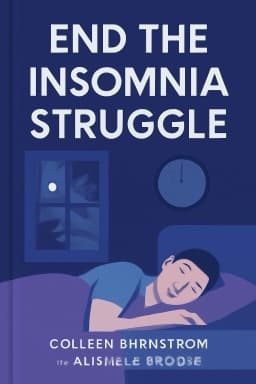
Unlock the Secret to Deep Sleep: How Cognitive Behavioral Therapy Can Cure Your Insomnia for Good!
Discover the science-backed method that’s changing lives and ending sleepless nights without medication.

If you’ve ever lain awake staring at the ceiling, watching the clock tick past 3 a.m., you know how devastating insomnia can be. The fog of fatigue, the mounting anxiety about tomorrow, and the endless cycle of restless nights can feel overwhelming. Yet, the answer to this widespread problem isn’t found in pills or potions but in understanding your mind and body’s relationship with sleep.
What is Insomnia?
Insomnia is more than just occasional sleeplessness. It’s a chronic condition characterized by difficulty falling asleep, staying asleep, or waking too early, accompanied by daytime impairments like fatigue, mood disturbances, and cognitive difficulties. The causes are complex, involving physiological, psychological, and behavioral factors.
The Science Behind Sleep
Your sleep is governed by two key biological processes: the sleep drive, which builds the longer you stay awake, and the circadian rhythm, your internal body clock that signals when to sleep and wake. When these processes are out of sync or disrupted by stress, habits, or environment, insomnia can take hold.
Why Medications Aren’t the Answer
While sleeping pills may offer short-term relief, they don’t address the underlying causes of insomnia and can lead to dependency and side effects. Instead, cognitive behavioral therapy for insomnia (CBT-I) provides a lasting solution by targeting the behaviors and thoughts that perpetuate sleeplessness.
What is CBT-I?
CBT-I is a structured, short-term therapy that combines behavioral strategies like stimulus control and sleep restriction with cognitive techniques to challenge unhelpful beliefs about sleep. The goal is to break the insomnia spiral—a vicious cycle where worry and poor habits worsen sleep.
Stimulus Control Therapy
This technique retrains your brain to associate the bed only with sleep and sex, eliminating activities like reading or worrying in bed. For example, if you find yourself awake for more than 20 minutes, you get out of bed and engage in a relaxing activity until sleepy again. This strengthens the bed-sleep connection and reduces arousal.
Sleep Restriction Therapy
Sleep restriction limits the time you spend in bed to the actual amount of sleep you get, increasing sleep drive and consolidating sleep. Though it may cause initial tiredness, it leads to deeper, more efficient sleep over time.
Cognitive Restructuring
Negative thoughts like 'I’ll never sleep again' fuel anxiety and insomnia. Cognitive restructuring helps identify and challenge these distortions, replacing them with balanced, realistic beliefs. Keeping thought records is a practical tool in this process.
Mindfulness and Worry Management
Techniques such as designated worry time and mindfulness practice teach you to contain worries to specific periods and observe thoughts without judgment, reducing mental arousal and facilitating relaxation.
Why CBT-I Works
Research shows CBT-I is the gold standard for chronic insomnia treatment, outperforming medications in long-term effectiveness with no side effects. It empowers you with skills to manage sleep independently.
Getting Started
Begin by keeping a detailed sleep log to understand your patterns. Then, work with a trained therapist or use guided self-help programs to implement CBT-I strategies tailored to your needs.
Final Thoughts
Insomnia can feel like a lonely battle, but with CBT-I, you have a proven roadmap to reclaim your nights and energize your days. Embrace the journey with patience and willingness, and watch restful sleep return to your life.
For more detailed scientific insights, visit sources like the National Institutes of Health and the Sleep Foundation for comprehensive guides and studies on CBT-I and insomnia management.
1 , 2 , 3
Want to explore more insights from this book?
Read the full book summary