
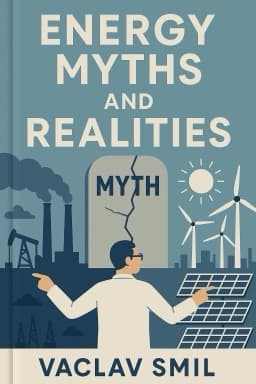
Why Every Energy Miracle Takes Decades—And What You Can Do Today
The truth about slow transitions—and the small steps that matter most.

Why do we still rely on coal, oil, and gas—decades after the first solar panel, wind turbine, or nuclear reactor? The answer is both simple and profound: energy transitions are slow because the world is big, complex, and deeply invested in its existing systems. Every pipeline, power plant, and car represents a sunk cost and a habit that’s hard to break.
Take the shift from coal to oil: it began in the late 19th century, but coal remained dominant for over 50 years. Even today, some regions still rely on it. The same pattern appears with every new source. Why? Because energy is more than fuel—it’s infrastructure, jobs, and culture.
Waiting for a miracle—like fusion or ultra-cheap batteries—may be tempting, but history suggests that real progress comes from thousands of small advances: better insulation, smarter thermostats, efficient appliances, and supportive policies. These add up, year by year, until the world changes.
So what can you do? Start with what’s in your control: upgrade to efficient devices, support local renewables, and advocate for pragmatic policies. Celebrate progress, however small. Remember: every great transition began with a single step.
Want to explore more insights from this book?
Read the full book summary