
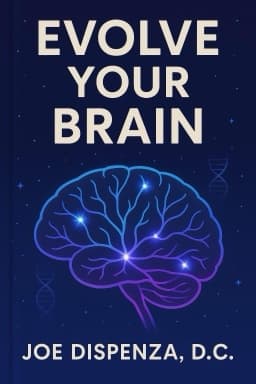
Break Free from Emotional Chains: How to Overcome Emotional Addiction and Rewire Your Brain
Explore the neuroscience behind emotional addiction and learn strategies to break free and create new emotional patterns.

Have you ever wondered why it’s so hard to let go of certain feelings, even when they cause pain? Emotional addiction is a powerful force rooted in your brain’s chemistry and wiring.
The limbic system, the emotional center of the brain, plays a central role. Repeated activation of certain emotional circuits strengthens them, making these feelings the brain’s default mode. This explains why people often remain stuck in negative emotions or unhealthy relationships despite their desire to change.
Breaking free requires more than willpower; it demands conscious effort to create new emotional experiences. Mental rehearsal and focused attention help build new neural pathways associated with positive feelings like gratitude, joy, and love.
The frontal lobe’s executive function enables you to override automatic emotional responses and choose new ways of feeling and reacting. This conscious engagement is essential for emotional healing and transformation.
Practical strategies include mindfulness meditation, visualization of positive states, and consistent mental practice of new emotional habits. Over time, these efforts recondition the brain, reducing cravings for negative emotions and increasing resilience.
Understanding emotional addiction empowers you to take control of your feelings rather than being controlled by them.
Remember, emotional healing is a journey. Each step you take toward new feelings strengthens your brain’s capacity for joy and peace, unlocking a brighter future.
Sources: PMC - Neurobiological Changes from Mindfulness; Verywell Mind - Brain Plasticity; Sobrief - Evolve Your Brain 4 1 3
Want to explore more insights from this book?
Read the full book summary