
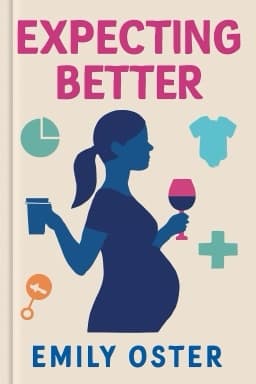
Pregnancy Myths Busted: What 'Expecting Better' Reveals About Fertility and Health
Discover the surprising truths about fertility, pregnancy risks, and healthy habits that empower you to navigate pregnancy with confidence.

Pregnancy is a time of excitement but also of overwhelming advice, much of which is rooted in tradition or fear rather than facts. Many women hear that fertility sharply declines at age 35, that even a sip of alcohol will harm their baby, or that bed rest is essential to prevent miscarriage. However, these beliefs often do not stand up to scientific scrutiny.
One of the most pervasive myths is the so-called 'fertility cliff' at 35. Contrary to popular belief, fertility declines gradually rather than suddenly. Historical data from times before birth control, alongside modern studies, show that women in their early 30s have fertility rates nearly as high as those in their 20s, with significant drops more apparent after 40. This means that age 35 is not a magic cutoff but rather a point on a continuum of gradual change. This insight alone can ease the anxiety of many women contemplating pregnancy later in life.
Beyond age, lifestyle factors play a crucial role. For example, obesity before pregnancy is linked to higher risks of gestational diabetes, preeclampsia, and cesarean delivery. Maintaining a healthy weight before conception is a modifiable factor that can improve outcomes.
When it comes to conception, timing is everything. The fertile window spans about six days each cycle — the five days before ovulation plus the day of ovulation itself. Having intercourse on the day before or day of ovulation can yield pregnancy rates over 30%. Ovulation detection methods vary in accuracy, with ovulation pee sticks offering near-perfect precision compared to basal body temperature or cervical mucus tracking.
The two-week wait between conception and pregnancy confirmation is often filled with uncertainty. Biologically, the embryo is a cluster of interchangeable cells early on, meaning minor exposures during this period usually have no lasting effect or prevent implantation altogether. Early pregnancy loss is common, with up to 22% of pregnancies ending before clinical detection, often mistaken for late periods.
Regarding lifestyle during pregnancy, many fears about alcohol and caffeine are overstated. Research finds no credible evidence that light drinking (up to one drink per day) or moderate caffeine intake (3-4 cups of coffee) harms child development, although smoking remains clearly detrimental. These findings help shift focus from fear to balanced enjoyment and health.
Nutrition myths are also clarified: weight gain recommendations depend on pre-pregnancy BMI, and excessive weight gain can increase complications. Exercise is generally safe and beneficial, while prolonged bed rest is discouraged due to risks like blood clots.
Medication safety emphasizes that untreated illness can be more harmful than many medications. Antibiotics and some antidepressants are often necessary and safe when managed carefully.
Finally, preparation for labor involves understanding that bed rest does not prevent preterm birth and that labor induction should be personalized. Pain management options like epidurals have trade-offs but are effective, and delayed cord clamping benefits newborns.
By embracing data and evidence, 'Expecting Better' transforms pregnancy from an anxiety-ridden experience into one of empowerment and informed choice. This knowledge is not just academic — it is a source of self-healing and optimism for the journey ahead.
References: 1 , 2 , 4
Want to explore more insights from this book?
Read the full book summary