
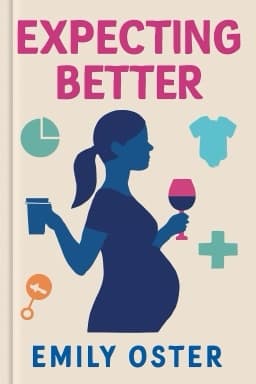
The Truth About Pregnancy Risks: What Science Really Says
Cut through the noise and learn the real risks and how to reduce them, backed by rigorous data.

Pregnancy is often accompanied by a heightened awareness of risks, some real but many exaggerated. Understanding the true nature of these risks can reduce anxiety and help expectant mothers make informed decisions.
Miscarriage is one of the most common fears. Data shows that the risk is highest early on and steadily decreases as pregnancy progresses. At 6 weeks with a normal ultrasound, the risk is around 11%, dropping to under 2% by 11 weeks. This gradual decline challenges the myth of a sudden safety threshold at 12 weeks. Women with a history of miscarriage face a somewhat increased risk, but most go on to have successful pregnancies. Interestingly, nausea correlates with lower miscarriage risk, possibly reflecting healthy hormone levels.
Many women worry about lifestyle choices during pregnancy. Research indicates that light alcohol consumption — up to one drink per day — does not harm child IQ or behavior, though heavy drinking remains dangerous. Moderate caffeine intake is also generally safe. In contrast, smoking unequivocally increases risks of preterm birth, low birth weight, and sudden infant death syndrome.
Bed rest, often prescribed to prevent preterm labor or miscarriage, has been shown to be ineffective and may even cause harm such as blood clots and muscle loss. Instead, moderate exercise and activity are encouraged for most women.
Medication use during pregnancy is another area of concern. Untreated infections and mental health conditions can pose greater risks than many medications. Safe antibiotics and antidepressants are available, and decisions should be personalized with healthcare provider guidance.
Understanding these facts helps shift focus from fear to empowerment. By knowing what truly affects pregnancy outcomes, women can prioritize their well-being and make choices based on evidence, not myths.
References: 1 , 2 , 3
Want to explore more insights from this book?
Read the full book summary