
How Vaccines, Clean Water, and Antibiotics Quietly Won the War on Death
Unveiling the unsung heroes behind humanity’s leap in life expectancy.

In the vast saga of human survival, some heroes are less visible but no less vital. Vaccines, clean water, and antibiotics have quietly reshaped our destiny, turning once-fatal diseases into manageable or eradicated conditions.
Vaccines: From Variolation to Global Immunization
Long before modern medicine, ancient cultures practiced variolation, intentionally exposing people to smallpox material to build immunity. This risky practice was refined and popularized in Europe thanks to advocates who bridged cultures and social classes. The safer vaccination method using cowpox revolutionized disease prevention, culminating in the eradication of smallpox — one of humanity’s greatest triumphs.
Clean Water and Food Safety: The Invisible Shield
The swill milk scandal exposed deadly industrial milk practices, leading to the adoption of pasteurization, which kills harmful microbes in milk. Meanwhile, chlorination of water supplies eliminated many waterborne diseases like cholera and typhoid, dramatically reducing mortality in urban centers. These sanitation advances were less glamorous but saved far more lives than many medicines.
Antibiotics: The Mold That Changed Medicine
Penicillin’s discovery was a serendipitous event that revolutionized infection treatment. Prior to antibiotics, bacterial infections were often fatal. The mass production and deployment of antibiotics during and after World War II saved millions and transformed healthcare. However, antibiotic resistance now poses a serious challenge, reminding us that medical victories require ongoing vigilance.
Conclusion
These three pillars — vaccination, sanitation, and antibiotics — form the foundation of modern public health. Their stories teach us that progress is often incremental, built on observation, advocacy, and sometimes accidental discovery. As we celebrate these achievements, we must also commit to preserving and advancing them for future generations.
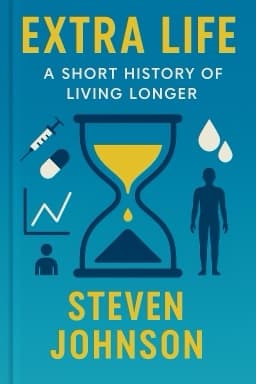
References: Insights drawn from Steven Johnson’s Extra Life and current public health literature. 1 3 4
Want to explore more insights from this book?
Read the full book summary