
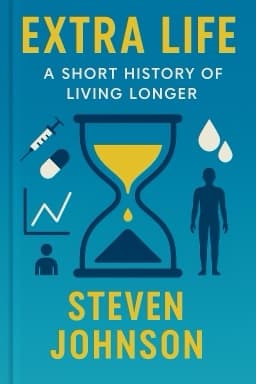
Unlocking the Secrets of Living Longer: How History's Greatest Breakthroughs Extended Human Life
From ancient mortality tables to cutting-edge biotechnology, explore the epic journey of humanity’s fight against death.

Imagine a world where the average newborn could expect to live barely into their teens — a grim reality for centuries. Yet today, in many parts of the world, life expectancy surpasses eighty years, a testament to humanity’s relentless quest to conquer disease and death. How did we get here? This blog takes you on a sweeping journey through history, science, and society to uncover the milestones that have shaped human longevity.
The Birth of Life Expectancy
It all began with numbers. In the 17th century, pioneers like John Graunt and William Farr transformed scattered mortality records into life tables, revealing patterns of survival and death.
Variolation to Vaccination: Immunity’s Triumph
Before modern vaccines, ancient practices like variolation exposed individuals to smallpox material to build immunity, albeit riskily. The story of Lady Mary Wortley Montagu bringing this knowledge from Ottoman Turkey to Britain exemplifies the power of cultural exchange. Later, the safer innovation of vaccination using cowpox by Edward Jenner revolutionized disease prevention.
Vital Statistics and the Dawn of Epidemiology
Systematic data collection in the 19th century revealed hidden truths about disease and inequality. Mapping cholera outbreaks in London exposed contaminated water sources, leading to targeted interventions.
Sanitation Innovations: Pasteurization and Chlorination
Industrialization brought new health hazards like contaminated milk and polluted water. The swill milk scandal exposed dangerous practices, leading to public demand for pasteurization. Similarly, chlorination of water supplies drastically cut waterborne diseases.
Safety and Injury Prevention
The rise of machines and automobiles introduced new risks. Misguided medical practices like bloodletting persisted even as scientific experiments with rocket sleds revealed human injury thresholds. Advocacy and legislation eventually made seat belts standard, showcasing how science, activism, and policy combine to protect lives.
Antibiotics: The Mold That Changed the World
Penicillin’s accidental discovery revolutionized medicine, turning deadly infections into treatable conditions. This breakthrough saved millions during World War II and beyond. However, the rise of antibiotic resistance reminds us that vigilance and stewardship remain essential.
Agricultural Revolutions: Feeding Life
The discovery of nitrogen-fixing microbes and the Haber-Bosch process enabled mass fertilizer production, boosting crop yields and supporting population growth. Factory farming transformed protein availability, improving nutrition but raising sustainability concerns.
Regulations and Testing: Ensuring Safety and Efficacy
From early harmful remedies to rigorous clinical trials, the evolution of drug regulation protects patients. The placebo effect necessitated randomized controlled trials, while tragedies like thalidomide spurred stronger oversight.
The Future of Longevity
Despite remarkable progress, challenges remain: health inequalities, emerging pandemics, and ethical questions around biotechnology. Advances in gene editing, immunotherapy, and personalized medicine offer hope for extending healthy lifespan further.
Conclusion
Human longevity is a story of science, society, and perseverance. Understanding the past empowers us to shape a future where longer, healthier lives are accessible to all.
References: Steven Johnson’s Extra Life and other authoritative sources provide rich insights into this journey. 1 2 3
Want to explore more insights from this book?
Read the full book summary