
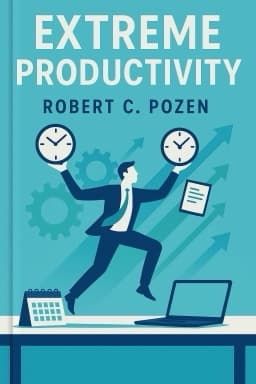
Stop Wasting Time: How Extreme Productivity Can Change Your Life Today
Learn the surprising habits that successful people use to maximize results and minimize wasted time.

Feeling overwhelmed by endless tasks and distractions? It’s time to shift from frantic busyness to focused productivity. Robert C. Pozen’s Extreme Productivity reveals that the secret lies not in working harder, but in working smarter with intention.
The first step is deceptively simple: write down every task and goal. This externalization clears mental clutter and creates a foundation for prioritization. Categorize your goals by time frame and rank them by importance, aligning your efforts with what truly matters.
Procrastination is a common nemesis. Pozen’s advice to start with tentative conclusions helps focus research and analysis, making big projects manageable. Breaking tasks into bite-sized pieces with mini-deadlines and rewards keeps momentum alive.
Managing the small stuff is where many lose time. Applying the OHIO principle—Only Handle It Once—prevents repetitive work. Multitask carefully by pairing low-focus tasks, and accept B+ quality on low-priority work to save energy.
Daily routines are your productivity anchor. Use a two-column calendar to link appointments with goals, simplify decisions like clothing and meals, and prioritize eight hours of sleep plus regular exercise. Short naps can rejuvenate your afternoon.
Travel doesn’t have to derail productivity. Pack light with carry-on only, adjust to new time zones proactively, and maintain your health habits on the road.
Meetings should be strategic, not status quo. Schedule only when necessary, keep them short and purposeful, and end with clear action items. This approach saves hours every week.
Effective communication—reading with purpose, writing clearly, and speaking persuasively—amplifies your influence and efficiency.
Delegation and managing relationships with your team and boss build a supportive environment that multiplies your impact. Finally, balance your career ambitions with personal fulfillment by setting boundaries and embracing change.
Stop wasting time and start applying these proven strategies today to transform your work and life.
Want to explore more insights from this book?
Read the full book summary