
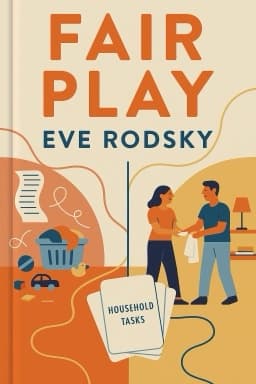
The Mental Load No One Talks About: How ‘Fair Play’ Makes the Invisible Visible
Exposing the Hidden Work That’s Draining Your Energy—and What to Do About It

Imagine running a marathon with a backpack full of rocks—except no one else can see the weight you’re carrying. This is the reality for millions who shoulder the ‘mental load’ in their homes. Eve Rodsky’s Fair Play gives voice to this silent struggle, revealing how planning, organizing, and worrying about family life can be more exhausting than any physical chore. It’s not just about doing the dishes; it’s about remembering to buy the soap, scheduling the plumber, and making sure everyone’s shoes fit for the new school year.
The mental load is invisible, but its effects are real. Studies show that women, even those who work full-time, spend hours each week managing household logistics, often without recognition or support. This imbalance leads to stress, fatigue, and a sense of being undervalued. Rodsky argues that the first step to change is visibility: naming the tasks, acknowledging the work, and sharing the responsibility.
Fair Play offers a groundbreaking solution. By mapping out every task—big and small—and assigning clear ownership, couples can break the cycle of silent suffering. No more guessing who’s in charge of holiday gifts or last-minute school projects. When the mental load is divided fairly, everyone benefits: relationships deepen, mental health improves, and individuals reclaim the space to pursue their own dreams.
The blog also highlights stories from families who’ve adopted this approach, describing the relief and empowerment that comes from finally being seen. It’s not about keeping score, but about building a new foundation of trust and respect. By making the invisible visible, Fair Play is changing not just homes, but lives.
Sources:
1
4
Want to explore more insights from this book?
Read the full book summary