
The Sokal Hoax and Beyond: When Science Becomes a Language Game
Discover the story behind one of the most famous intellectual pranks and its lasting impact on the debate over science and postmodernism.

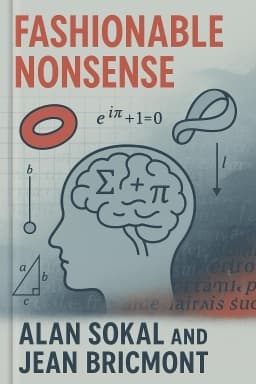
In 1996, a remarkable event shook the academic world: a physicist submitted a deliberately nonsensical article filled with scientific jargon to a respected cultural studies journal. To the surprise and dismay of many, the article was accepted and published. This stunt, famously known as the Sokal hoax, was designed to expose the lax intellectual rigor and the misuse of scientific language prevalent in some postmodern academic circles.
The hoax revealed how scientific concepts were sometimes wielded as mere ornaments to impress rather than to inform. The acceptance of a nonsensical article highlighted a cultural tendency to mistake obscure language and intellectual fashion for genuine depth.
This event ignited the so-called 'science wars', a heated debate between defenders of scientific objectivity and critics who questioned the authority and methods of science. The controversy underscored the importance of clear thinking, empirical evidence, and intellectual honesty in scholarly work.
Beyond the immediate spectacle, the hoax serves as a cautionary tale about the dangers of intellectual posturing and the seductive power of jargon. It reminds us that authority, while valuable, should not be immune to scrutiny, and that clarity must always be prized over obfuscation.
Understanding the Sokal hoax and its aftermath offers insight into ongoing tensions between science and humanities, skepticism and belief, clarity and confusion. It invites us to reflect on how language can both illuminate and obscure, and challenges us to uphold standards of rigor in all fields of inquiry.
For anyone interested in the dynamics of knowledge, culture, and communication, this story remains a compelling chapter in the history of ideas.
Sources: Merion West review, Wikipedia, Amazon customer reviews on 'Fashionable Nonsense' 1 3 4
Want to explore more insights from this book?
Read the full book summary