
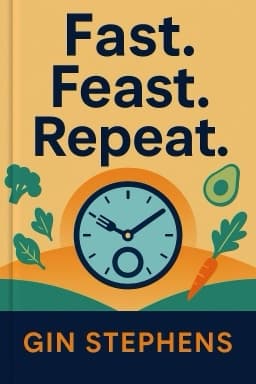
The Clean Fast: The Secret Ingredient to Effortless Weight Loss
Why What You Drink Matters More Than You Think

Why What You Drink Matters More Than You Think
Imagine two friends on the same fasting schedule. One sips on flavored water and diet soda, the other sticks to black coffee and plain water. By noon, one is ravenous, counting the minutes until lunch; the other is calm and focused. What’s the difference? The answer is the clean fast—arguably the single most important factor in successful intermittent fasting.
When you consume anything with flavor, even zero-calorie sweeteners, your brain and body prepare for food. This triggers insulin, the fat-storage hormone, and pulls you out of the fasted state. Only bitter, plain beverages—like black coffee, unflavored tea, or water—keep you in fat-burning mode. This is why Gin Stephens and thousands of successful fasters insist on a strict clean fast: no flavors, no sweeteners, no calories, no exceptions.
Science backs this up. Studies show that sweet taste alone, even without calories, can spike insulin and lead to hunger and cravings. Many people who struggle with fasting find that switching to a clean fast—dropping the lemon water, gum, and flavored drinks—makes hunger fade away and energy soar.
Testimonials are everywhere: the teacher who finally made it through a morning class without stomach growling, the athlete who broke a stubborn plateau, the busy parent who found new focus and calm. The clean fast is not about deprivation—it’s about unlocking your body’s natural ability to burn fat, heal, and thrive.
Ready to try it? Stick to water, black coffee, or plain tea during your fasting window. Avoid flavors, sweeteners, and supplements until your eating period. Within days, you’ll notice fasting feels easier, hunger fades, and results accelerate.
Want to explore more insights from this book?
Read the full book summary