
Fast Food Nation Exposed: How Your Burger Affects More Than Your Waistline
Beyond calories and convenience: the hidden costs of fast food on public health, workers, and the planet.

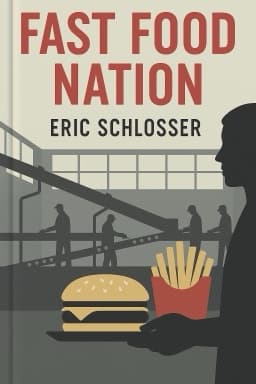
When you bite into a fast food burger, you might think only about taste and convenience. But beneath that familiar flavor lies a complex web of health risks, environmental destruction, and human suffering. Eric Schlosser’s Fast Food Nation pulls back the curtain on this multi-billion-dollar industry, revealing consequences that extend far beyond the plate.
One of the most alarming revelations is the connection between industrial meat production and the rise of deadly pathogens like E. coli 0157:H7. Identified in the early 1980s, this bacterium causes severe illness and is linked directly to the practices of large slaughterhouses processing thousands of animals daily. The speed and scale of these operations increase contamination risk, while regulatory oversight is often fragmented and insufficient due to political pressures and industry lobbying.
Fast food consumption has fueled an obesity epidemic, with diet-related diseases such as diabetes and heart disease soaring. Children are particularly vulnerable, targeted by aggressive marketing and exposed to diets high in fat, sugar, and sodium. The economic burden of obesity-related healthcare now surpasses the entire revenue of the fast food industry, underscoring the societal cost of these dietary trends.
Environmental degradation is another critical concern. Monoculture farming, driven by the relentless demand for cheap meat and produce, strips the land of biodiversity and pollutes waterways with fertilizers and animal waste. The disappearance of family farms under corporate consolidation disrupts rural economies and communities, replacing diversity with uniformity and fragility.
The human toll is stark. Fast food workers, many of them immigrants and teenagers, endure low wages, high turnover, and unsafe working conditions. Meatpacking plants are among the most hazardous workplaces, with frequent injuries and little protection. Exploitation is common, especially among undocumented workers who face limited legal recourse.
Understanding these interconnected issues is crucial for consumers, policymakers, and activists aiming to create a healthier, more sustainable food system. By making informed choices and advocating for reform, we can begin to address the hidden costs of fast food and move toward a future where convenience does not come at the expense of health or humanity.
For additional perspectives, see the National Institutes of Health’s comprehensive article on food safety, the University of Michigan’s research review, and thoughtful critiques from Syrup & Tang. 3 2 1
Want to explore more insights from this book?
Read the full book summary