
Why Rituals (Not Resolutions) Are the ADHD Game-Changer You Need
The Surprising Power of Simple Daily Systems for Fast Brains

The Surprising Power of Simple Daily Systems for Fast Brains
Every January, millions of us make resolutions—promises to wake up earlier, eat better, or finally get organized. But for ADHD brains, resolutions rarely last. Why? Because they rely on willpower and memory, two things that are often in short supply when your mind is racing with possibilities. The real secret to lasting change isn’t more effort—it’s building rituals that anchor your day and make success automatic.
Rituals are small, repeatable actions that become part of your identity. Instead of waking up and deciding whether or not to exercise, you set your gym clothes out the night before, or even sleep in them. Instead of hoping you’ll remember to eat breakfast, you prep a healthy meal in advance. These rituals don’t just reduce decision fatigue—they free up your mental energy for creativity, problem-solving, and the things that make you uniquely brilliant.
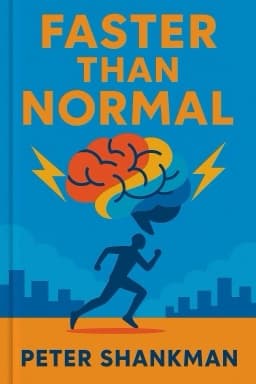
Peter Shankman calls rituals the 'holy grail' for ADHD brains. They provide structure without rigidity, support without suffocation. The best rituals are built around rewards: you work backward from the feeling you want (accomplishment, calm, energy) and design your ritual to deliver it. And when life inevitably gets messy, fail-safes—like backup alarms or accountability partners—help you stay on track.
Science backs this up. Studies show that rituals reduce stress, improve focus, and make healthy behaviors stick. Real people are proof: from CEOs to artists, those who thrive with ADHD swear by their morning routines, evening wind-downs, and daily anchors. The key isn’t perfection—it’s consistency. Miss a day? Get back on track tomorrow. Over time, your rituals become the scaffolding that supports your dreams.
So ditch the resolutions and embrace rituals. Start small, build up, and watch your productivity—and your confidence—soar. Your fast brain deserves a system that works for you.
References: Deepwrk, Peter Shankman’s “Faster Than Normal”, ADDitude Magazine
Want to explore more insights from this book?
Read the full book summary