
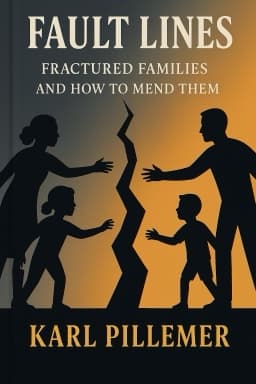
6 Shocking Reasons Families Cut Ties (And How You Can Heal Them)
Discover the surprising triggers behind family estrangement and actionable steps to mend broken bonds

Family estrangement does not happen overnight. It is often the result of complex, layered issues that build over time. Research highlights six common pathways that frequently lead to family rifts:
- Past trauma: Childhood neglect or abuse that remains unhealed.
- Divorce legacy: The emotional fallout from parental separation.
- Problematic in-laws: Conflicts between spouses and extended family.
- Money disputes: Battles over inheritance or financial fairness.
- Unmet expectations: Disagreements about caregiving or participation.
- Value differences: Clashes over religion, politics, or lifestyle choices.
Each cause tells a story. For example, a daughter estranged after her parents’ bitter divorce illustrates how unresolved pain can fracture later relationships. Another case involves a man who lost contact with his siblings following a dispute over a family business inheritance, highlighting the powerful role money plays in family dynamics.
The emotional toll is profound. Estrangement acts as chronic stress, impacting mental and physical health. The biological need for attachment means that even painful family ties leave lasting emotional scars. Neuroscience confirms that social rejection activates brain areas associated with physical pain, explaining why estrangement hurts so deeply.
Estrangement also fractures entire family systems, forcing relatives to take sides and losing social capital—the network of support families provide. This loss affects practical help and emotional wellbeing for many.
Healing begins with recognizing signs of readiness: life changes, emotional preparation, and planning. Volcanic events—single explosive incidents—often trigger or deepen estrangement, but addressing them quickly can open the door to reconciliation.
Letting go of past grievances and focusing on building new family narratives is crucial. Forgiveness is not always necessary; acceptance and personal growth can transform pain into strength.
Understanding these dynamics equips families to confront estrangement with empathy and hope, paving the way for healing and renewed connection.
Sources: 1 , 3 , 4
Want to explore more insights from this book?
Read the full book summary