
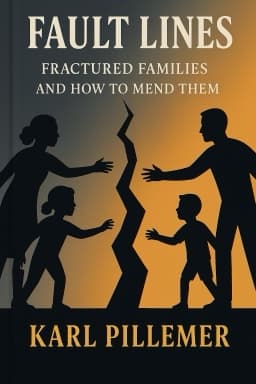
The Ripple Effect: How Family Estrangement Impacts Generations
Explore how one break in the family chain affects siblings, cousins, and future generations

Family estrangement rarely remains confined to the individuals who cut ties. Instead, it fractures entire family systems, creating collateral damage that spans siblings, cousins, grandchildren, and beyond.
This fragmentation diminishes social capital—the network of emotional and practical support families provide. Without these connections, individuals lose access to advice, caregiving, financial help, and a sense of belonging. The effects ripple through generations, sometimes becoming an inherited family legacy of division.
One family’s bitter dispute over inheritance led to decades of silence, isolating younger generations from grandparents and cousins. Attempts at bridging these gaps are often met with resistance, deepening the divide.
Addressing estrangement requires a systemic approach, recognizing the interconnectedness of family members and the broader impact of rifts. Healing one relationship can help restore the entire family fabric, preventing the spread of damage to future generations.
By understanding the ripple effects, families can prioritize reconciliation and rebuild resilient, supportive networks that nurture all members.
Sources: 2 , 3 , 4
Want to explore more insights from this book?
Read the full book summary