
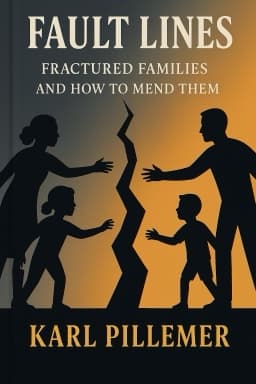
The Silent Pain of Family Estrangement: What Science Reveals About Healing
Explore the emotional and physical toll of estrangement and scientifically backed paths to recovery

Family estrangement is not just an emotional experience—it is a profound psychological and physiological event.
Attachment theory explains much of this pain. Humans are biologically wired to seek secure bonds, especially with family. When these attachments break, separation anxiety and longing persist. Even when relationships were painful, the biological need for connection remains strong, complicating the healing process.
Neuroscience has found that social rejection activates brain regions associated with physical pain. This explains why estrangement can feel like a physical injury, not just emotional loss.
Estrangement’s impact goes beyond the immediate parties. It fractures entire family systems, forcing relatives to choose sides and diminishing social capital—the network of support that families provide. This loss increases isolation and vulnerability, especially for children and grandchildren.
Despite this pain, hope exists. Reconciliation reduces chronic stress, restores social support, and prevents lifelong regret. Recognizing signs of readiness and addressing volcanic events—sudden incidents that trigger estrangement—can open pathways to healing.
Letting go of past grievances and focusing on living life forward fosters personal growth, emotional resilience, and renewed family connections.
Understanding the science behind estrangement empowers individuals and families to approach healing with empathy, patience, and hope.
Sources: 2 , 3 , 4
Want to explore more insights from this book?
Read the full book summary