
Why Are So Many Families Breaking Apart? The Hidden Truth About Estrangement
Uncovering the silent epidemic tearing families apart and what you can do about it

In a world that often celebrates connection and togetherness, there lies a paradoxical reality: millions of people are estranged from their own families.
Estrangement is not simply about a lost relationship; it is about a profound rupture in the social fabric that provides identity, support, and belonging. The reasons families break apart are complex. Research identifies six common pathways: past trauma, the legacy of divorce, conflicts with in-laws, money disputes, unmet expectations, and differences in values or lifestyles. Each pathway reveals the intricate dynamics that can slowly or suddenly sever family bonds.
Consider the story of a woman who endured childhood neglect, carrying those wounds into adulthood where reconciliation was impossible without healing old trauma. Or a man who faced an ultimatum between his spouse and his family, choosing love but losing family connection. These examples illustrate that estrangement is rarely black and white but a tapestry of pain and difficult choices.
The emotional toll of estrangement is immense. It acts like chronic stress, wearing down mental and physical health. The biological need for attachment means that even painful family relationships leave lasting emotional imprints. Neuroscience shows that social rejection activates the same brain areas as physical pain, explaining the deep hurt of being cut off.
Estrangement’s impact extends beyond the individuals directly involved. Entire families suffer collateral damage as siblings, cousins, and grandchildren are forced to navigate fractured networks. Social capital—the support and resources families provide—diminishes, increasing isolation and vulnerability.
Yet, there is hope. Reconciliation offers powerful benefits: reducing chronic stress, restoring social support, and preventing lifelong regret. Many are motivated by the desire to reconnect before it’s too late, and readiness often follows life changes such as illness or loss. Recognizing signs of readiness and understanding the role of volcanic events—sudden explosive incidents that trigger estrangement—can guide families toward healing.
Letting go of the past and focusing on living life forward is the final, transformative step. Forgiveness is not always necessary; sometimes, acceptance and building new narratives lead to renewed relationships and personal growth.
This journey through estrangement is not easy, but it is shared by millions. Understanding its causes, impacts, and pathways to healing can empower anyone facing family rifts to find peace and hope.
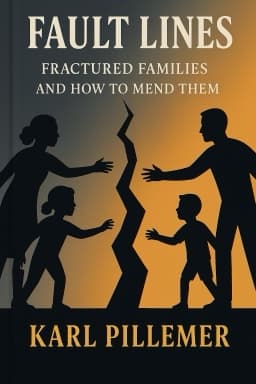
For more insights and detailed guidance, explore resources like "Fault Lines" by Karl Pillemer and other expert works on family estrangement.
Sources: 1 , 2 , 4
Want to explore more insights from this book?
Read the full book summary