
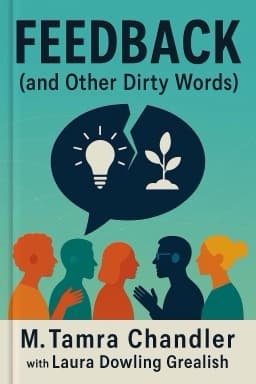
Why Your Brain Hates Feedback (And How to Hack It for Growth)
Explore the neuroscience behind feedback fear and discover practical hacks to rewire your brain for success.
Have you ever felt your stomach drop or your mind go blank the moment someone starts giving you feedback? This reaction is more than just emotional; it’s a hardwired survival response rooted deep in your brain’s architecture.
The Amygdala: Your Brain’s Alarm System
The amygdala acts as an early warning system, scanning for threats. When it detects feedback—often perceived as criticism—it triggers a cascade of stress hormones, preparing you to fight, flee, freeze, or appease. These responses were vital for our ancestors’ survival but can hinder modern social interactions.
Understanding the Four Stress Responses
Fight might manifest as defensiveness or argument; flight as avoidance or silence; freeze as numbness or shutdown; and appease as superficial agreement masking internal disengagement. Recognizing your typical pattern is the first step toward change.
Calming the Storm: Practical Brain Hacks
Fortunately, you can train your brain to respond differently. Grounding yourself by feeling your feet on the floor and focusing on sensory input shifts attention from the amygdala to the prefrontal cortex, the brain’s rational center. Breathing exercises like the 4-7-8 technique slow your heart rate and reduce anxiety.
Neuroplasticity: Rewiring for Growth
Neuroplasticity means your brain can change its wiring with repeated practice. By consistently applying calming techniques during feedback, you create new neural pathways that favor curiosity and openness over fear.
Mindset and Emotion Regulation
Coupling these brain hacks with a growth mindset enhances your ability to learn from feedback. Embrace mistakes as opportunities, and practice self-compassion to reduce harsh self-judgment.
By understanding and working with your brain’s natural tendencies, you can transform feedback from a source of anxiety into a springboard for growth and connection.
Start small: next time you receive feedback, pause, breathe, and remind yourself that this is a chance to learn, not a threat to your worth.
Want to explore more insights from this book?
Read the full book summary