
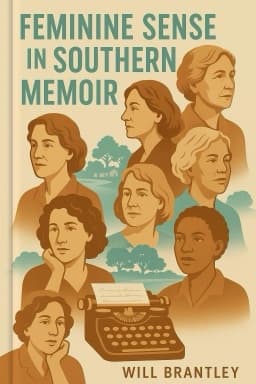
Inside the Minds of Southern Women Writers: Memoirs That Changed the South
Explore the psychological depths and cultural critiques embedded in the memoirs of southern women writers.

The American South, with its complex history of race, gender, and tradition, has long been fertile ground for rich cultural narratives. Southern women writers, through their memoirs, have provided unique psychological insights into this landscape, revealing the inner workings of a society grappling with repression and resistance.
Lillian Smith’s confessional memoir stands as a landmark, employing Freudian psychology to dissect the collective mind of the South. Her exploration of repression, taboo, and moral conflict exposes the psychological mechanisms sustaining segregation and social division. Childhood memories, personal conflicts, and cultural rituals intertwine to create a tapestry of the southern psyche.
Other writers like Ellen Glasgow and Eudora Welty offer introspective accounts of sheltered southern lives, illuminating the tensions between private identity and public expectation. Their memoirs reveal how cultural norms shape consciousness and artistic expression.
These psychological explorations are not merely personal but deeply cultural, challenging the dominant narratives of southern identity and exposing the fractures within. The memoirs serve as acts of resistance, inviting readers to confront uncomfortable truths and to reconsider the complexities of southern life.
Understanding these psychological and cultural dimensions enriches our appreciation of southern literature and highlights the enduring relevance of these women’s voices in contemporary discussions about identity, memory, and social justice.
Step inside the minds of southern women writers and discover the memoirs that have changed how we see the South.
Sources: Feminine Sense in Southern Memoir, scholarly articles on southern literature and psychology 1 , 3
Want to explore more insights from this book?
Read the full book summary