
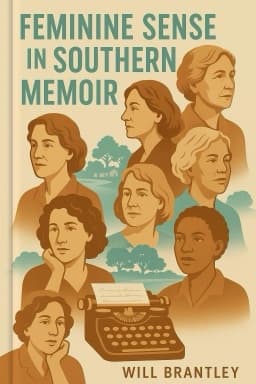
Why Southern Women’s Memoirs Are the Ultimate Feminist Weapon
A deep dive into how southern women writers used memoir to fight patriarchy and rewrite southern history.

In a region steeped in tradition and patriarchal values, southern women writers turned to memoir as a means of resistance and empowerment. Their autobiographical works serve not only as personal narratives but as feminist interventions that challenge and rewrite the cultural history of the South.
These memoirs expose the gendered limitations imposed on women, revealing how societal expectations sought to silence female voices. Writers like Ellen Glasgow and Lillian Hellman confronted these constraints head-on, using their life stories to critique the roles assigned to women and to assert intellectual and artistic autonomy.
Zora Neale Hurston’s autobiography further complicates this feminist narrative by emphasizing individuality within the African-American southern experience. Her rejection of both white liberalism and black collectivism highlights a radical assertion of personal agency and cultural pride.
Despite facing critical neglect and censorship, these women’s memoirs have become foundational texts in feminist literary studies. Feminist scholars have worked to recover these voices, challenging the androcentric literary canon and advocating for a more inclusive understanding of southern literature.
By reading these memoirs, we engage with powerful stories of resistance, identity, and transformation. They remind us that autobiography can be a weapon against oppression and a tool for cultural change.
Discover why southern women’s memoirs remain vital feminist texts and how they continue to inspire literary activism today.
Sources: Feminine Sense in Southern Memoir, feminist literary criticism journals, Amazon listings 2 , 4
Want to explore more insights from this book?
Read the full book summary